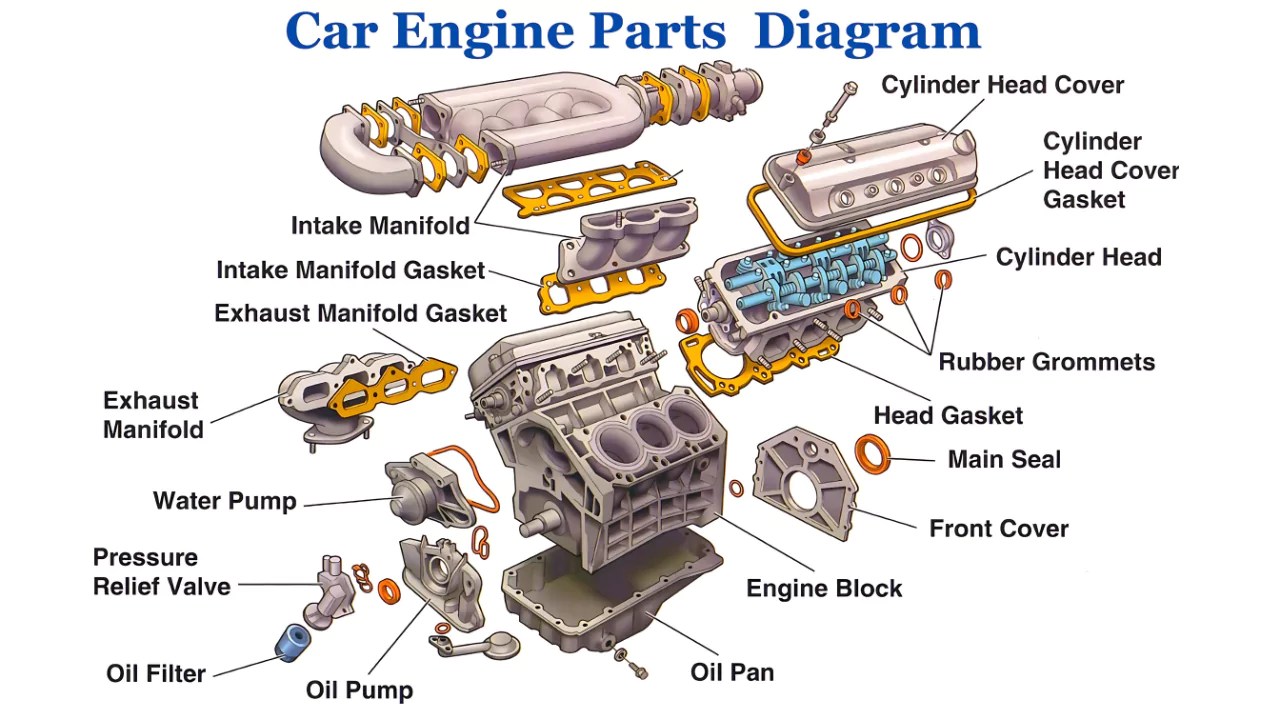
The Complete Guide to Understanding Modern Car Engines: Technology, Performance, and Innovation
Modern car engines represent the culmination of over a century of automotive engineering innovation. From the earliest internal combustion engines that powered the first automobiles to today's sophisticated, computer-controlled powerplants, engine technology has evolved dramatically. Understanding how modern car engines work provides valuable insight into vehicle performance, efficiency, reliability, and the future of automotive propulsion. This comprehensive guide explores the fundamental principles of engine operation, the latest technological innovations, performance characteristics, and the ongoing evolution of engine design in response to environmental concerns and consumer demands.
The fundamental principle underlying all traditional car engines is the internal combustion process. Inside an engine cylinder, fuel and air mix together and ignite, creating a controlled explosion that generates tremendous pressure. This pressure pushes a piston downward, which converts the linear motion into rotational motion through a crankshaft. This rotational motion ultimately powers the vehicle's wheels through a transmission system. While this basic principle has remained relatively constant for over a century, the sophistication of modern engines has increased exponentially, with advanced technologies optimizing every aspect of the combustion process.
Modern engines operate through a carefully orchestrated sequence of events called the four-stroke cycle. During the intake stroke, the intake valve opens and the piston moves downward, drawing a mixture of air and fuel into the cylinder. As the piston reaches the bottom of its travel, the intake valve closes and the compression stroke begins. During this phase, the piston moves upward, compressing the air-fuel mixture into a much smaller volume. This compression increases the temperature and pressure of the mixture, preparing it for ignition. When the piston reaches the top of its travel, the spark plug fires, igniting the compressed fuel-air mixture in the power stroke. The resulting explosion creates enormous pressure that forces the piston downward with tremendous force, driving the crankshaft. Finally, during the exhaust stroke, the exhaust valve opens and the piston moves upward again, pushing the burned gases out through the exhaust system. This four-stroke cycle repeats thousands of times per minute in a running engine, with each cylinder firing in a carefully timed sequence to maintain smooth, continuous power delivery.
The efficiency of modern engines depends critically on precise timing and control of the combustion process. Early engines relied on mechanical systems to control valve timing and ignition, but modern engines use sophisticated electronic control systems that monitor dozens of parameters and adjust engine operation in real-time. Sensors throughout the engine measure air intake, fuel flow, engine temperature, oxygen levels in the exhaust, and many other variables. A powerful computer called the engine control unit processes this information and makes thousands of adjustments per second, optimizing fuel injection timing, ignition timing, and valve operation for maximum efficiency and performance under all driving conditions.
Fuel injection technology represents one of the most significant advances in modern engine design. Early engines used carburetors to mix fuel and air, but these mechanical devices could not provide the precise control necessary for modern engines. Modern engines use fuel injectors that spray a fine mist of fuel directly into the combustion chamber at precisely controlled moments. This direct injection approach allows engines to operate more efficiently across a wider range of conditions, reducing fuel consumption and emissions while improving performance. Some advanced engines use multiple injections per combustion cycle, further optimizing the combustion process and improving efficiency.
Turbocharging and supercharging represent another major technological advancement in modern engine design. These technologies use a compressor to force more air into the engine's cylinders than would normally enter through atmospheric pressure alone. By increasing the amount of air available for combustion, these systems allow smaller engines to produce power levels comparable to much larger naturally aspirated engines. Turbocharged engines use exhaust gases to spin a turbine that drives the compressor, making efficient use of energy that would otherwise be wasted. Supercharged engines use a belt-driven compressor powered by the engine itself. Both technologies significantly improve engine efficiency and performance, allowing manufacturers to reduce engine displacement and fuel consumption while maintaining or improving power output.
Variable valve timing technology allows engines to adjust when intake and exhaust valves open and close, optimizing valve timing for different engine speeds and loads. At low engine speeds, different valve timing is optimal than at high speeds. By continuously adjusting valve timing based on engine operating conditions, modern engines can improve efficiency across the entire operating range. This technology has become increasingly sophisticated, with some modern engines featuring continuously variable valve timing that can be adjusted independently for intake and exhaust valves, and even independently for each cylinder in some advanced designs.
Engine displacement, measured in liters or cubic centimeters, represents the total volume of all cylinders in an engine. Larger displacement engines generally produce more power but consume more fuel. Modern engine design focuses on achieving maximum power and efficiency from the smallest possible displacement. Downsizing, the trend toward smaller displacement engines with turbocharging or supercharging, has become increasingly common as manufacturers balance performance requirements with fuel economy and emissions regulations. A modern turbocharged three-liter engine might produce power comparable to a naturally aspirated five-liter engine from a decade ago, while consuming significantly less fuel.
Engine efficiency is measured in terms of thermal efficiency, which represents the percentage of fuel energy that is converted into useful work. Early engines had thermal efficiencies around fifteen to twenty percent, meaning that eighty-five percent of fuel energy was wasted as heat. Modern engines have improved significantly, with many achieving thermal efficiencies in the thirty-five to forty percent range. Advanced technologies like variable valve timing, direct fuel injection, and computer control have contributed to these improvements. Hybrid and electric vehicles achieve even higher overall efficiency by capturing energy that would otherwise be wasted during braking and using it to power electric motors.
Engine cooling systems play a critical role in maintaining optimal operating temperature. Engines produce enormous amounts of heat during combustion, and if this heat is not removed efficiently, the engine will overheat and suffer damage. Modern cooling systems use a liquid coolant circulated through passages in the engine block and cylinder head to absorb heat. This hot coolant then flows through a radiator where the heat is transferred to the surrounding air. A thermostat controls coolant flow to maintain optimal engine temperature. Modern engines operate at higher temperatures than older engines, improving efficiency but requiring more sophisticated cooling systems to maintain proper temperature control.
Lubrication systems are essential for engine longevity and performance. Engine oil reduces friction between moving parts, carries away heat, and protects metal surfaces from corrosion. Modern engines use sophisticated lubrication systems that deliver oil under pressure to all critical bearing surfaces. Oil filters remove contaminants that accumulate during engine operation. Modern synthetic oils maintain their protective properties over longer intervals than conventional mineral oils, allowing extended oil change intervals in modern engines. Proper lubrication is essential for engine reliability, and neglecting oil changes can lead to catastrophic engine damage.
Engine emissions have become an increasingly important consideration in modern engine design. Combustion of gasoline produces carbon dioxide, nitrogen oxides, particulate matter, and other pollutants that contribute to air pollution and climate change. Modern engines incorporate numerous technologies to reduce emissions. Catalytic converters use chemical reactions to convert harmful pollutants into less harmful substances. Exhaust gas recirculation systems reduce nitrogen oxide formation by recirculating some exhaust gases back into the combustion chamber. Particulate filters trap soot particles before they enter the atmosphere. These emission control technologies have dramatically reduced the pollution produced by modern vehicles compared to older engines.
The future of car engines is rapidly evolving in response to environmental concerns and technological advances. Hybrid engines combine traditional internal combustion engines with electric motors, improving overall efficiency and reducing emissions. Plug-in hybrid vehicles can operate on electric power alone for short distances, using the engine only for longer trips or when additional power is needed. Fully electric vehicles eliminate the internal combustion engine entirely, using rechargeable battery packs to power electric motors. Hydrogen fuel cell vehicles represent another emerging technology, using hydrogen fuel to generate electricity through a chemical reaction, producing only water vapor as exhaust. While traditional internal combustion engines will likely remain in use for many years, their role in personal transportation is gradually diminishing as alternative technologies mature and become more practical.
Engine performance characteristics are often described using terms like horsepower and torque. Horsepower measures the rate at which an engine can do work, with one horsepower equivalent to lifting 550 pounds one foot in one second. Torque measures the rotational force produced by the engine, typically measured in pound-feet or newton-meters. An engine's power and torque output vary with engine speed, typically increasing from idle to a peak value at a certain engine speed, then decreasing at higher speeds. The relationship between power and torque is fundamental to understanding engine performance and how different engines feel when driving.
Modern engine diagnostics have become increasingly sophisticated. On-board diagnostic systems continuously monitor engine operation and can detect problems before they cause noticeable symptoms. When a problem is detected, the system illuminates a warning light on the dashboard and stores a diagnostic trouble code in the engine computer's memory. These codes can be read using diagnostic equipment, allowing technicians to quickly identify and repair problems. This technology has dramatically improved vehicle reliability and reduced the likelihood of unexpected breakdowns caused by engine problems.
In conclusion, modern car engines represent a remarkable achievement in engineering, combining sophisticated mechanical design with advanced electronic control systems to deliver reliable, efficient, and powerful performance. Understanding how these engines work provides valuable insight into vehicle operation and maintenance. As environmental concerns drive the automotive industry toward alternative propulsion technologies, traditional internal combustion engines will continue to evolve, becoming more efficient and cleaner while they remain in widespread use. Whether you're a car enthusiast interested in engine technology or simply someone who wants to better understand your vehicle, appreciating the complexity and sophistication of modern engines enhances your understanding of automotive technology and the remarkable machines we drive every day.
Key Questions About Modern Car Engines
Before diving deeper into engine technology, ask yourself these important questions:
- What type of engine does your vehicle have? Understanding whether you drive a turbocharged, naturally aspirated, or hybrid engine helps you make better maintenance decisions.
- Are you considering an engine upgrade? Many enthusiasts wonder if upgrading to a more powerful engine is worth the investment.
- How can you extend your engine's lifespan? Proper maintenance and understanding engine basics can add years to your vehicle's life.
Real-World Example: Engine Performance Comparison
Consider this practical example: A standard 2.0L naturally aspirated engine produces around 150 horsepower, while a turbocharged 2.0L engine of the same size can produce 250+ horsepower. The turbocharger forces more air into the combustion chamber, allowing for more fuel to burn and creating more power. This is why many modern vehicles are shifting toward smaller, turbocharged engines instead of larger naturally aspirated ones.
What You Should Know
Understanding modern engines empowers you to make informed decisions about vehicle purchases, maintenance, and repairs. Whether you're a car enthusiast or simply want to understand your vehicle better, engine knowledge is invaluable.
Questions Every Car Owner Should Ask About Engines
Before you make any decisions about your vehicle, consider these important questions:
- What type of engine does my vehicle have? Understanding your engine type helps you make informed maintenance decisions and know what to expect in terms of performance and fuel consumption.
- How often should I change my engine oil? Oil changes are crucial for engine longevity. Most modern vehicles require oil changes every 5,000-7,500 miles, though some synthetic oils can last longer.
- What does it mean when my check engine light comes on? This warning indicates an issue with your engine, emissions system, or transmission. Don't ignore it—get it diagnosed promptly.
- Is my engine knocking or pinging? These sounds indicate potential problems that need immediate attention to prevent engine damage.
- Should I upgrade to a turbocharged engine? Turbocharged engines offer more power from smaller displacements, but they require more maintenance and higher-octane fuel.
Real-World Engine Examples and Scenarios
Example 1: The Cost of Neglecting Engine Maintenance
Owner A changes their oil every 5,000 miles and follows the maintenance schedule. Their engine runs smoothly for 200,000 miles. Owner B skips oil changes and ignores warning lights. Their engine fails at 100,000 miles, requiring a $5,000 replacement. The difference? Regular maintenance costs $500 annually but saves thousands in repairs.
Example 2: Turbocharged vs. Naturally Aspirated Performance
A standard 2.0L naturally aspirated engine produces 150 horsepower and 140 lb-ft of torque. A turbocharged 2.0L engine produces 250 horsepower and 280 lb-ft of torque. The turbocharger forces more air into the engine, allowing more fuel to burn and creating significantly more power from the same engine size.
Example 3: Fuel Octane and Engine Performance
If your vehicle requires premium fuel (91-93 octane) and you use regular fuel (87 octane), your engine may experience knocking, reduced performance, and potential damage. Using the correct fuel grade ensures optimal engine performance and longevity.
Practical Tips for Engine Longevity
- Follow the manufacturer's recommended maintenance schedule religiously
- Use the correct grade of oil and fuel for your specific vehicle
- Address warning lights immediately—don't wait
- Keep your engine cool by maintaining proper coolant levels
- Avoid aggressive driving habits that stress the engine
- Have regular inspections to catch problems early
Common Engine Problems and Solutions
Problem: Engine Overheating - Solution: Check coolant levels, inspect the radiator for leaks, and ensure the cooling fan is working properly.
Problem: Engine Misfires - Solution: Replace spark plugs, check fuel injectors, and inspect ignition coils.
Problem: Oil Leaks - Solution: Identify the source and replace gaskets or seals as needed.
What You Should Do Next
Check your vehicle's maintenance schedule today. When was your last oil change? Are you due for any services? Take action now to prevent costly engine problems in the future. Your engine is the heart of your vehicle—treat it with the respect it deserves.