Electric Vehicles: The Future of Automotive Transportation
Published: 13 January 2026
Category: Automotive Guide
Reading Time: 12 min
Electric Vehicles: A Comprehensive Guide to the Future of Automotive Transportation
Electric vehicles represent a fundamental shift in automotive technology, replacing traditional internal combustion engines with rechargeable battery packs and electric motors. Electric vehicles offer significant environmental benefits, lower operating costs, and impressive performance compared to traditional vehicles. Understanding how electric vehicles work, their advantages and disadvantages, and how to evaluate them helps consumers make informed decisions about electric vehicle purchases. This comprehensive guide explores electric vehicle technology, different types of electric vehicles, and the considerations for electric vehicle ownership.
The fundamental principle of electric vehicles is that rechargeable battery packs store electrical energy that powers electric motors to drive the wheels. Electric motors provide maximum torque instantly from zero RPM, enabling impressive acceleration. Electric vehicles produce zero tailpipe emissions, eliminating local air pollution. The efficiency of electric motors is superior to internal combustion engines, with electric motors converting eighty-five to ninety percent of electrical energy into mechanical motion compared to only twenty to thirty percent for internal combustion engines.
Battery technology is fundamental to electric vehicle performance and range. Modern electric vehicle batteries use lithium-ion chemistry similar to smartphone batteries but scaled up dramatically. Electric vehicle batteries consist of thousands of individual cells organized into modules and packs. Battery capacity is measured in kilowatt-hours, with typical electric vehicles having batteries ranging from forty to one hundred kilowatt-hours. Battery capacity determines vehicle range, with larger batteries providing greater range.
Range is the distance an electric vehicle can travel on a single charge. Modern electric vehicles offer impressive range, with many vehicles providing two hundred to three hundred miles of range per charge. Some premium electric vehicles offer over four hundred miles of range. Range depends on battery capacity, driving conditions, driving habits, and weather. Cold weather reduces range by ten to twenty percent due to increased energy consumption for heating and reduced battery efficiency.
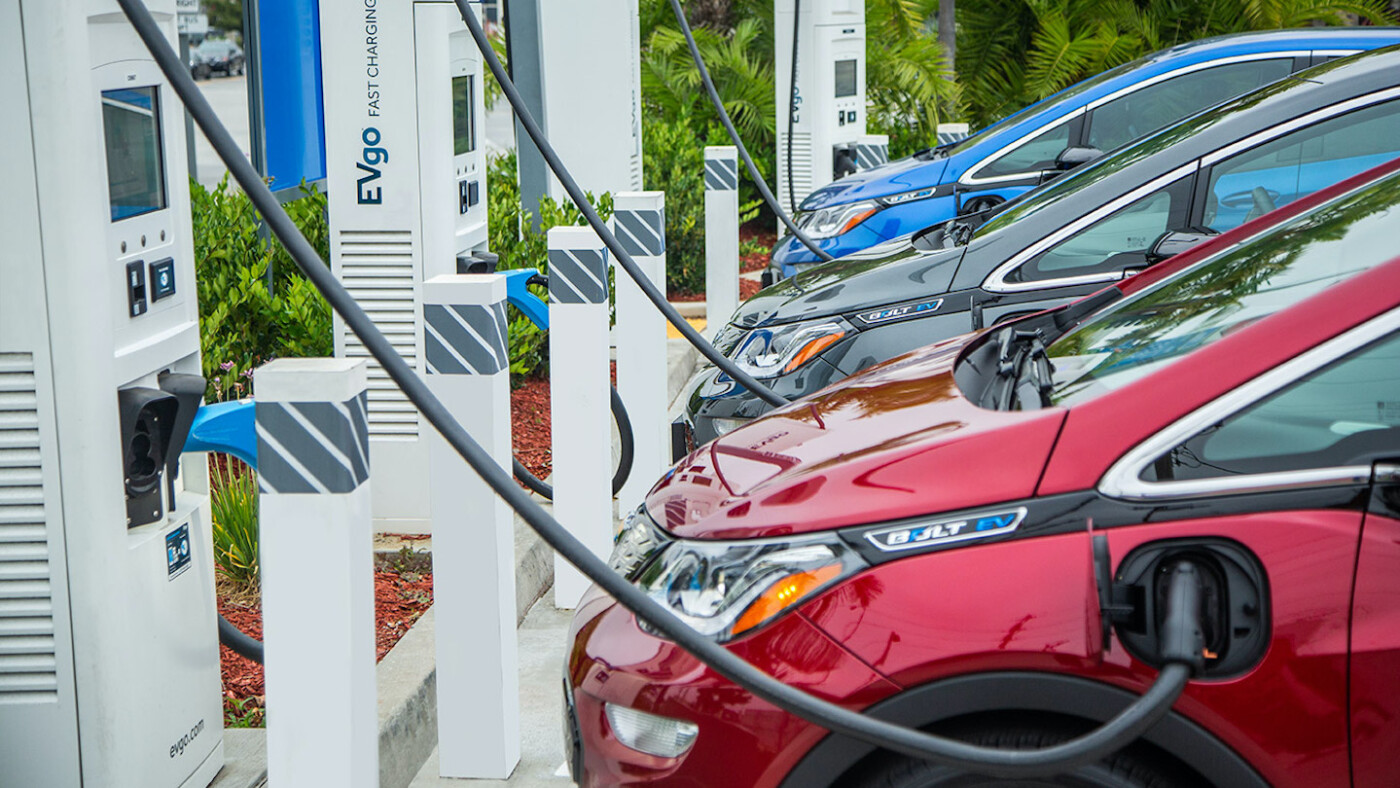
Charging infrastructure is essential for electric vehicle ownership. Home charging using a Level 2 charger is the most convenient option for most electric vehicle owners, allowing vehicles to charge overnight. Public charging stations are increasingly available, providing charging options away from home. Fast charging using DC fast chargers can add one hundred to two hundred miles of range in thirty minutes, though charging speed decreases as the battery approaches full capacity. Charging networks are expanding rapidly, with thousands of public charging stations now available in most developed countries.
Charging time varies depending on charger type and battery capacity. Level 1 charging using a standard household outlet is very slow, adding only three to five miles of range per hour. Level 2 charging adds twenty to thirty miles of range per hour. DC fast charging adds one hundred to two hundred miles of range in thirty minutes. Home charging overnight using a Level 2 charger is the most practical option for most electric vehicle owners.
Performance is a significant advantage of electric vehicles. Electric motors provide maximum torque instantly, enabling impressive acceleration. Many electric vehicles can accelerate from zero to sixty miles per hour in under six seconds, with high-performance electric vehicles achieving this in under four seconds. The instant torque of electric motors provides a thrilling driving experience that many drivers find superior to traditional vehicles.
Operating costs are significantly lower for electric vehicles compared to traditional vehicles. Electricity is less expensive than gasoline on a per-mile basis. Electric vehicles have no oil changes, spark plugs, or other routine maintenance required for internal combustion engines. Regenerative braking reduces brake wear, extending brake life. Over the lifetime of a vehicle, electric vehicles can save thousands of dollars in fuel and maintenance costs.
Environmental benefits are a major advantage of electric vehicles. Electric vehicles produce zero tailpipe emissions, eliminating local air pollution. The overall environmental benefit depends on the electricity grid's composition. In regions with clean electrical grids powered by renewable energy, electric vehicles produce a fraction of the emissions of gasoline vehicles. Even in regions with dirtier grids, electric vehicles typically produce fewer emissions over their lifetime than gasoline vehicles.
Quiet operation is a characteristic of electric vehicles. Electric motors are nearly silent, providing a smooth, quiet driving experience. The quiet operation is particularly noticeable in city driving and at traffic lights. Some drivers find the quiet operation pleasant, while others miss the engine sound of traditional vehicles.
Limited driving range is a disadvantage for some drivers. While modern electric vehicles offer impressive range, they cannot match the range of gasoline vehicles. Drivers who frequently take long road trips may find the need to stop for charging inconvenient. However, for most drivers who drive less than one hundred miles per day, electric vehicle range is adequate.
Higher purchase price is a significant disadvantage of electric vehicles. Electric vehicles typically cost more than equivalent gasoline vehicles due to the high cost of battery packs. However, government incentives and tax credits can significantly reduce the effective purchase price. As battery technology improves and production volumes increase, electric vehicle prices are decreasing.
Charging infrastructure limitations are a concern in some areas. While charging infrastructure is expanding rapidly, some regions have limited charging options. Drivers in areas with limited charging infrastructure may find electric vehicle ownership impractical. However, this situation is improving as charging networks expand.
Battery degradation is a concern for some electric vehicle owners. Electric vehicle batteries gradually lose capacity over time, reducing range. However, most electric vehicle batteries retain eighty to ninety percent of their capacity after eight to ten years. Battery warranty coverage typically covers eight to ten years, protecting owners from premature battery failure.
Cold weather reduces electric vehicle range and performance. Cold temperatures reduce battery efficiency and increase energy consumption for heating. Range can decrease by ten to twenty percent in cold weather. However, modern electric vehicles include battery thermal management systems that help mitigate cold weather effects.
Resale value of electric vehicles has historically been uncertain due to concerns about battery degradation and charging infrastructure. However, as electric vehicles become more mainstream and battery technology improves, resale values are stabilizing. Some electric vehicles, particularly popular models, hold their value reasonably well.
Choosing an electric vehicle depends on your driving patterns, access to charging, and budget. Consider your typical daily driving distance and whether it is within the vehicle's range. Evaluate charging options at home and work. Consider whether you have access to public charging for long trips. Evaluate total cost of ownership including purchase price, available incentives, electricity costs, and maintenance costs. Test drive multiple electric vehicles to evaluate comfort, performance, and features.
In conclusion, electric vehicles offer impressive performance, lower operating costs, and significant environmental benefits compared to traditional vehicles. While electric vehicles have higher purchase prices and limited range compared to gasoline vehicles, they are practical for most drivers and represent the future of personal transportation. As battery technology improves, charging infrastructure expands, and prices decrease, electric vehicles will likely become increasingly popular and practical for a broader range of drivers.
Electric Vehicle Questions
EV buyers commonly ask:
- How far can I drive on a single charge? Modern EVs typically offer 200-400 miles of range.
- How long does charging take? Home charging takes 8-12 hours; fast charging takes 20-30 minutes.
- Is the charging infrastructure adequate? Networks are rapidly expanding in most regions.
Real-World Example: EV Ownership
An EV owner charges their vehicle at home overnight for $3-5 in electricity. A comparable gas vehicle would cost $15-20 in fuel for the same distance. Over a year, the EV owner saves thousands in fuel costs while enjoying silent, emissions-free driving.
The EV Revolution
Electric vehicles are becoming mainstream, offering superior efficiency, lower operating costs, and environmental benefits.
Important Questions About This Topic
Before making decisions related to this topic, ask yourself these important questions:
- How does this information apply to my vehicle? Consider your specific vehicle model and driving habits.
- What problems could I prevent with this knowledge? Understanding this topic helps you avoid costly mistakes.
- When should I take action? Don't wait for problems to develop—be proactive.
- What professional help do I need? Some tasks require professional expertise.
Real-World Examples and Scenarios
Understanding this topic has real-world implications for your vehicle ownership experience. Whether you're making a purchase decision, performing maintenance, or addressing a problem, the knowledge you've gained here will serve you well.
Key Takeaways
Remember these important points as you apply this knowledge to your vehicle:
- Knowledge is power—informed decisions lead to better outcomes
- Preventive action is cheaper than reactive repairs
- Professional advice is valuable when you're uncertain
- Regular maintenance extends vehicle life and maintains value
Your Action Plan
Don't just read this article and move on. Take action today. Identify one specific thing you can do to apply this knowledge to your vehicle. Whether it's scheduling maintenance, researching options, or addressing a known issue, take that first step. Your vehicle—and your wallet—will thank you.