Complete Guide to SUVs and Crossovers
Published: 13 January 2026
Category: Automotive Guide
Reading Time: 12 min
SUVs and Crossovers: A Comprehensive Guide to Choosing the Right Vehicle for Your Needs
Sport utility vehicles and crossovers have become increasingly popular in recent years, now representing a significant portion of new vehicle sales. These vehicles offer a combination of passenger space, cargo capacity, and elevated driving position that appeals to many consumers. However, the SUV and crossover market is diverse, with vehicles ranging from compact crossovers to large three-row SUVs, and from fuel-efficient models to high-performance vehicles. Understanding the differences between SUV types, their advantages and disadvantages, and how to choose the right vehicle helps consumers make informed purchasing decisions. This comprehensive guide explores SUV and crossover categories, their characteristics, and how to evaluate them for your needs.
Sport utility vehicles were originally based on truck platforms and featured body-on-frame construction, where the vehicle body is bolted to a separate frame. Traditional SUVs offer excellent towing capacity, off-road capability, and rugged construction. However, they are typically less fuel-efficient than cars and can provide a rougher ride due to their truck-based design. Traditional SUVs like the Chevrolet Tahoe, Ford Expedition, and Toyota 4Runner remain popular for families needing maximum cargo space and towing capacity.
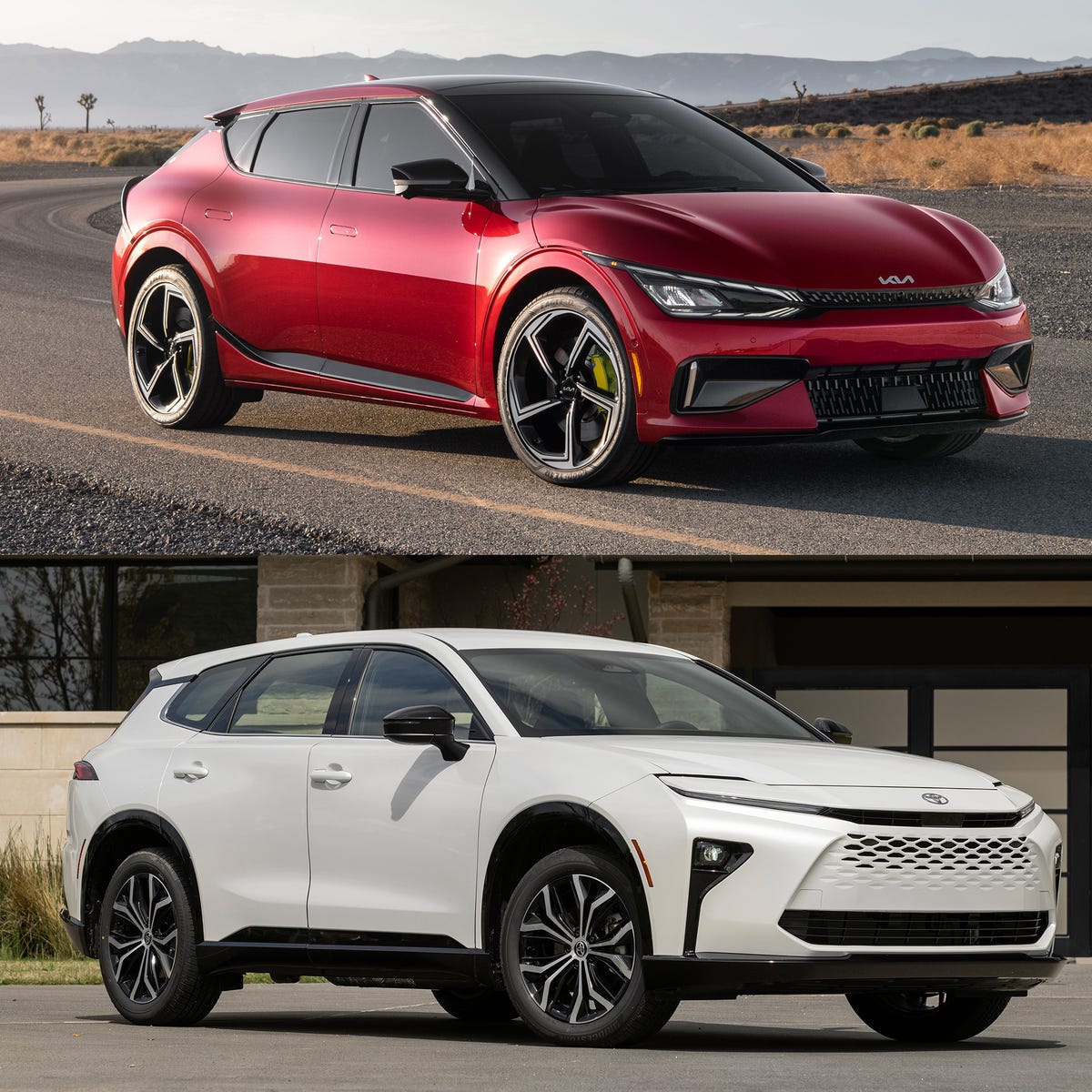
Crossovers are built on car platforms and feature unibody construction, where the body and frame are integrated into one structure. Crossovers offer better fuel economy, smoother rides, and better handling than traditional SUVs because they are based on car platforms. Crossovers typically have less towing capacity and off-road capability than traditional SUVs but are more practical for everyday driving. Crossovers have become increasingly popular and now represent the majority of the SUV market.
Compact crossovers are the smallest crossovers, typically seating five passengers and offering modest cargo space. Compact crossovers like the Honda CR-V, Toyota RAV4, and Mazda CX-5 are popular for individuals and small families. They offer better fuel economy than larger SUVs while still providing elevated driving position and good cargo space. Compact crossovers are typically more affordable than larger SUVs and are easier to park and maneuver in urban environments.
Midsize crossovers offer more space than compact crossovers while remaining relatively fuel-efficient. Midsize crossovers like the Ford Edge, Chevrolet Blazer, and Jeep Grand Cherokee typically seat five to seven passengers and offer generous cargo space. Midsize crossovers are popular for families needing more space than compact crossovers but not requiring the maximum space of three-row SUVs.
Three-row SUVs and crossovers offer maximum passenger and cargo space, typically seating up to seven or eight passengers. Three-row vehicles like the Chevrolet Traverse, Ford Explorer, and Toyota Highlander are popular for large families or those needing maximum versatility. Three-row vehicles offer excellent cargo capacity with all seats in use and can accommodate passengers and cargo when middle and rear seats are folded. However, three-row vehicles are larger and less fuel-efficient than smaller SUVs.
Luxury SUVs combine SUV practicality with luxury features and premium materials. Luxury SUVs like the BMW X5, Mercedes-Benz GLE, and Audi Q7 offer upscale interiors, advanced technology, and premium performance. Luxury SUVs typically cost significantly more than mainstream SUVs but offer superior comfort, materials, and driving experience. Luxury SUVs appeal to consumers who prioritize comfort and prestige alongside practicality.
Performance SUVs combine SUV practicality with high-performance engines and sport-tuned suspensions. Performance SUVs like the Porsche Cayenne, BMW X6 M, and Jeep Grand Cherokee Trackhawk offer thrilling acceleration and responsive handling while maintaining SUV practicality. Performance SUVs appeal to enthusiasts who want SUV versatility without sacrificing performance.
Off-road capable SUVs are designed for driving on unpaved surfaces and rough terrain. Off-road SUVs like the Jeep Wrangler, Toyota 4Runner, and Ford Bronco feature four-wheel-drive systems, high ground clearance, and rugged construction. Off-road SUVs are popular for outdoor enthusiasts and those living in areas with unpaved roads. Off-road capability typically comes at the cost of reduced fuel economy and less refined on-road driving experience.
Elevated driving position is one of the primary advantages of SUVs and crossovers. The higher seating position provides better visibility and a commanding view of the road, which many drivers prefer. The elevated driving position can improve safety by providing better visibility of surrounding traffic and pedestrians.
Cargo capacity is another major advantage of SUVs and crossovers. Most SUVs and crossovers offer significantly more cargo space than sedans, with flexible seating arrangements that allow cargo space to be increased by folding rear seats. This cargo capacity makes SUVs and crossovers practical for families, outdoor enthusiasts, and those who frequently transport large items.
Passenger space is a benefit of larger SUVs and crossovers. Three-row SUVs and crossovers can accommodate seven or eight passengers, making them suitable for large families or those who frequently transport multiple passengers.
Towing capacity is an advantage of SUVs, particularly traditional SUVs and larger crossovers. Many SUVs can tow several thousand pounds, making them suitable for towing boats, trailers, or other vehicles. Towing capacity depends on the engine, transmission, and chassis design.
Poor fuel economy is a disadvantage of SUVs, particularly larger models and those with powerful engines. SUVs typically consume more fuel than sedans due to their larger size and weight. However, modern SUVs with efficient engines and hybrid technology offer significantly better fuel economy than older SUVs.
Higher purchase price is a disadvantage of SUVs. SUVs typically cost more than equivalent sedans due to their larger size and additional features. However, SUVs offer more space and versatility, which many consumers value.
Handling characteristics of SUVs are typically less refined than sedans. Due to their higher center of gravity and heavier weight, SUVs typically have more body roll during cornering and less precise handling than sedans. However, modern SUVs with advanced suspension systems offer significantly better handling than older SUVs.
Safety considerations for SUVs include rollover risk due to their higher center of gravity. However, modern SUVs with electronic stability control systems significantly reduce rollover risk. Visibility from SUVs is generally good due to the elevated driving position, which can improve safety.
Choosing an SUV or crossover depends on individual needs and preferences. Consider how much passenger and cargo space you need, your budget, fuel economy priorities, and driving preferences. Test drive multiple vehicles to evaluate comfort, handling, and features. Consider total cost of ownership including purchase price, fuel costs, maintenance, and insurance. Evaluate safety ratings and features to ensure the vehicle meets your safety requirements.
In conclusion, SUVs and crossovers offer practical transportation with excellent cargo space, passenger capacity, and elevated driving position. While they typically consume more fuel than sedans and cost more, they provide versatility and functionality that appeals to many consumers. By understanding the different types of SUVs and crossovers available and evaluating them against your specific needs, you can choose a vehicle that provides the best combination of practicality, performance, and value for your situation.
Key Takeaways
Understanding this topic helps you make better decisions about your vehicle. Whether you're a car enthusiast or simply want to understand your vehicle better, this knowledge is valuable.
Questions to Consider
As you finish reading this article, consider how this information applies to your vehicle and driving habits. Use this knowledge to make informed decisions about maintenance, upgrades, or purchases.
Next Steps
Apply what you've learned to your vehicle ownership experience. If you have specific questions or need clarification, don't hesitate to reach out through our contact page.
Important Questions About This Topic
Before making decisions related to this topic, ask yourself these important questions:
- How does this information apply to my vehicle? Consider your specific vehicle model and driving habits.
- What problems could I prevent with this knowledge? Understanding this topic helps you avoid costly mistakes.
- When should I take action? Don't wait for problems to develop—be proactive.
- What professional help do I need? Some tasks require professional expertise.
Real-World Examples and Scenarios
Understanding this topic has real-world implications for your vehicle ownership experience. Whether you're making a purchase decision, performing maintenance, or addressing a problem, the knowledge you've gained here will serve you well.
Key Takeaways
Remember these important points as you apply this knowledge to your vehicle:
- Knowledge is power—informed decisions lead to better outcomes
- Preventive action is cheaper than reactive repairs
- Professional advice is valuable when you're uncertain
- Regular maintenance extends vehicle life and maintains value
Your Action Plan
Don't just read this article and move on. Take action today. Identify one specific thing you can do to apply this knowledge to your vehicle. Whether it's scheduling maintenance, researching options, or addressing a known issue, take that first step. Your vehicle—and your wallet—will thank you.