Complete Guide to Luxury Vehicles and Premium Brands
Published: 13 January 2026
Category: Automotive Guide
Reading Time: 12 min
Luxury Vehicles Explained: A Comprehensive Guide to Premium Brands and Features
Luxury vehicles represent the pinnacle of automotive engineering, combining superior materials, advanced technology, and refined design to create exceptional driving experiences. Luxury vehicles command premium prices but offer distinctive benefits that appeal to consumers who prioritize comfort, performance, and prestige. Understanding what defines luxury vehicles, the major luxury brands, and how luxury vehicles differ from mainstream vehicles helps consumers make informed decisions about luxury vehicle purchases. This comprehensive guide explores luxury vehicle characteristics, major luxury brands, and the value proposition of luxury vehicle ownership.
Luxury vehicles are characterized by premium materials, advanced technology, superior craftsmanship, and refined design. Luxury interiors feature high-quality leather, wood trim, and metal accents. Luxury vehicles typically offer more advanced technology including sophisticated infotainment systems, advanced driver assistance systems, and premium audio systems. Luxury vehicles are engineered for superior performance, comfort, and refinement compared to mainstream vehicles.
German luxury brands including BMW, Mercedes-Benz, and Audi are among the most prestigious and desirable luxury brands. BMW is known for sporty handling and performance-oriented design. Mercedes-Benz is known for refined luxury and advanced technology. Audi is known for innovative technology and sophisticated design. These brands command premium prices and offer a wide range of luxury vehicles from compact sedans to large SUVs.
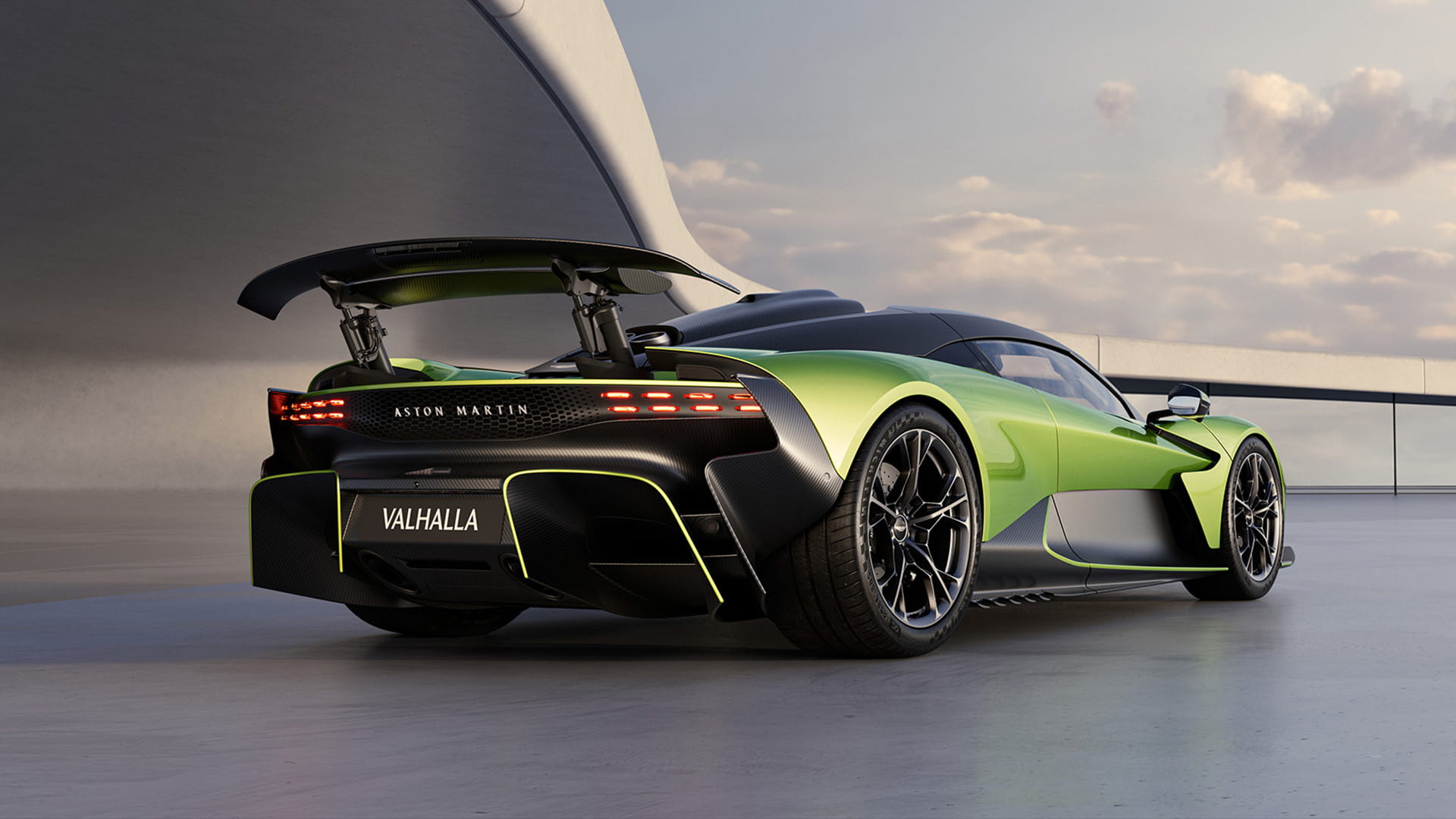
British luxury brands including Rolls-Royce, Bentley, and Jaguar represent the ultimate in luxury and exclusivity. Rolls-Royce vehicles are handcrafted masterpieces representing the pinnacle of luxury. Bentley vehicles combine luxury with performance. Jaguar offers sporty luxury vehicles. These brands are extremely exclusive and command extraordinarily high prices.
Japanese luxury brands including Lexus, Acura, and Infiniti offer luxury vehicles with Japanese reliability and attention to detail. Lexus is known for reliability and refined luxury. Acura offers premium performance and technology. Infiniti offers distinctive design and advanced technology. Japanese luxury brands typically offer better reliability than European luxury brands and lower maintenance costs.
Italian luxury brands including Ferrari, Lamborghini, and Maserati are known for exotic design and high performance. Ferrari vehicles are among the most desirable and exclusive vehicles in the world. Lamborghini vehicles offer dramatic design and extreme performance. Maserati vehicles combine Italian design with luxury and performance. Italian luxury brands command extraordinary prices and are owned primarily by collectors and enthusiasts.
American luxury brands including Cadillac and Lincoln offer luxury vehicles with distinctive American design and character. Cadillac is known for large, comfortable luxury vehicles. Lincoln offers refined luxury with American styling. American luxury brands typically offer good value compared to European luxury brands.
Premium materials and craftsmanship distinguish luxury vehicles from mainstream vehicles. Luxury vehicle interiors feature hand-stitched leather, premium wood trim, and metal accents. Attention to detail in design and construction is evident throughout luxury vehicles. Many luxury vehicles are partially hand-assembled, with craftspeople carefully assembling components to exacting standards.
Advanced technology is a hallmark of luxury vehicles. Luxury vehicles typically feature sophisticated infotainment systems with large touchscreens, voice control, and smartphone integration. Advanced driver assistance systems including adaptive cruise control, lane-keeping assist, and automated parking are common in luxury vehicles. Premium audio systems from manufacturers like Bose, Harman Kardon, and Bang & Olufsen provide exceptional sound quality. Advanced lighting systems including LED and laser headlights provide superior illumination and distinctive styling.
Superior performance is characteristic of many luxury vehicles. Luxury vehicles often feature powerful engines, sophisticated transmissions, and sport-tuned suspensions. Performance luxury vehicles like the BMW M series, Mercedes-AMG models, and Porsche vehicles offer thrilling acceleration and responsive handling. Even luxury vehicles focused on comfort typically offer adequate performance for spirited driving.
Refined driving experience is a primary benefit of luxury vehicles. Luxury vehicles are engineered to provide smooth, quiet operation with minimal vibration and noise. Advanced suspension systems isolate occupants from road imperfections, providing a smooth ride even on rough roads. Luxury vehicles are designed to make long-distance driving comfortable and enjoyable.
Prestige and status are important factors in luxury vehicle ownership. Luxury vehicles are recognized symbols of success and achievement. Owning a luxury vehicle communicates wealth and refined taste. Many luxury vehicle owners value the prestige and status associated with luxury brands.
Reliability concerns have historically been associated with luxury vehicles, particularly European luxury brands. However, modern luxury vehicles have become increasingly reliable, with many offering reliability comparable to mainstream vehicles. Japanese luxury brands typically offer excellent reliability. Maintenance and repair costs for luxury vehicles are typically higher than mainstream vehicles due to the complexity of luxury systems and the need for specialized technicians.
Higher purchase prices are a significant disadvantage of luxury vehicles. Luxury vehicles typically cost fifty to one hundred percent more than equivalent mainstream vehicles. The higher purchase price reflects the premium materials, advanced technology, and superior craftsmanship of luxury vehicles.
Higher operating costs are another disadvantage of luxury vehicles. Insurance costs are typically higher for luxury vehicles. Maintenance and repair costs are higher due to the complexity of luxury systems and the need for specialized technicians. Fuel costs may be higher if the luxury vehicle has a powerful engine.
Depreciation can be a concern with luxury vehicles. Some luxury vehicles depreciate more rapidly than mainstream vehicles, particularly if they have high mileage or maintenance issues. However, some luxury vehicles, particularly rare or desirable models, hold their value well.
Choosing a luxury vehicle depends on individual priorities and budget. Consider what luxury features are most important to you, whether performance or comfort is a priority, and how much you are willing to spend on purchase price and operating costs. Test drive multiple luxury vehicles to evaluate comfort, performance, and features. Consider reliability ratings and warranty coverage to understand potential maintenance costs. Evaluate total cost of ownership including purchase price, insurance, maintenance, and fuel costs.
In conclusion, luxury vehicles offer premium materials, advanced technology, and refined design that create exceptional driving experiences. While luxury vehicles command premium prices and have higher operating costs, they provide distinctive benefits that appeal to consumers who prioritize comfort, performance, and prestige. By understanding what defines luxury vehicles and evaluating them against your priorities and budget, you can choose a luxury vehicle that provides the best combination of performance, comfort, and value for your situation.
Key Takeaways
Understanding this topic helps you make better decisions about your vehicle. Whether you're a car enthusiast or simply want to understand your vehicle better, this knowledge is valuable.
Questions to Consider
As you finish reading this article, consider how this information applies to your vehicle and driving habits. Use this knowledge to make informed decisions about maintenance, upgrades, or purchases.
Next Steps
Apply what you've learned to your vehicle ownership experience. If you have specific questions or need clarification, don't hesitate to reach out through our contact page.
Important Questions About This Topic
Before making decisions related to this topic, ask yourself these important questions:
- How does this information apply to my vehicle? Consider your specific vehicle model and driving habits.
- What problems could I prevent with this knowledge? Understanding this topic helps you avoid costly mistakes.
- When should I take action? Don't wait for problems to develop—be proactive.
- What professional help do I need? Some tasks require professional expertise.
Real-World Examples and Scenarios
Understanding this topic has real-world implications for your vehicle ownership experience. Whether you're making a purchase decision, performing maintenance, or addressing a problem, the knowledge you've gained here will serve you well.
Key Takeaways
Remember these important points as you apply this knowledge to your vehicle:
- Knowledge is power—informed decisions lead to better outcomes
- Preventive action is cheaper than reactive repairs
- Professional advice is valuable when you're uncertain
- Regular maintenance extends vehicle life and maintains value
Your Action Plan
Don't just read this article and move on. Take action today. Identify one specific thing you can do to apply this knowledge to your vehicle. Whether it's scheduling maintenance, researching options, or addressing a known issue, take that first step. Your vehicle—and your wallet—will thank you.