Complete Guide to Sports Cars and High-Performance Vehicles
Published: 13 January 2026
Category: Automotive Guide
Reading Time: 12 min
Sports Cars and High-Performance Vehicles: A Comprehensive Guide to Thrilling Automotive Performance
Sports cars and high-performance vehicles represent the pinnacle of automotive performance, combining powerful engines, sophisticated handling, and thrilling acceleration to create exhilarating driving experiences. These vehicles appeal to enthusiasts who prioritize performance, handling, and driving excitement over practicality and comfort. Understanding the characteristics of sports cars, the different categories of performance vehicles, and how they differ from mainstream vehicles helps consumers appreciate these remarkable machines. This comprehensive guide explores sports car characteristics, categories, and the appeal of high-performance driving.
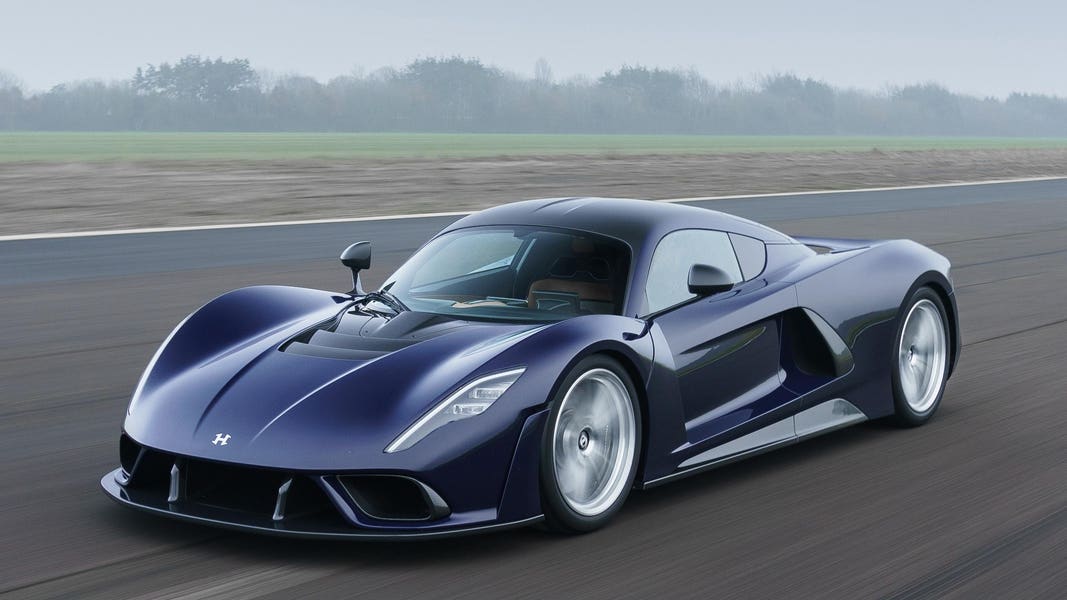
Sports cars are characterized by powerful engines, lightweight construction, sport-tuned suspensions, and aerodynamic design. Sports cars prioritize performance and handling over comfort and practicality. Most sports cars seat only two or four passengers and offer minimal cargo space. Sports cars are engineered to provide maximum acceleration, handling precision, and driving excitement.
Lightweight construction is fundamental to sports car performance. By minimizing weight, sports cars achieve better acceleration, handling, and fuel economy. Sports car manufacturers use lightweight materials including aluminum, carbon fiber, and composite materials to reduce weight. Every component is optimized for minimum weight while maintaining strength and durability.
Powerful engines are essential to sports car performance. Sports cars typically feature high-displacement engines or turbocharged engines that produce exceptional power and torque. Engine power is typically measured in horsepower and torque, with high-performance sports cars producing three hundred to over one thousand horsepower. Powerful engines enable sports cars to accelerate from zero to sixty miles per hour in under six seconds, with high-end sports cars achieving this in under four seconds or even under three seconds.
Sport-tuned suspensions provide the handling precision and responsiveness that define sports car driving. Sports car suspensions feature stiffer springs, stronger anti-roll bars, and more responsive dampers compared to mainstream vehicles. Sport suspensions reduce body roll during cornering and provide more direct steering feel. However, sport suspensions typically provide a harsher ride than mainstream vehicles, as they prioritize handling over comfort.
Aerodynamic design reduces drag and improves high-speed stability. Sports cars feature sleek body shapes, low ride heights, and aerodynamic features including spoilers and diffusers. Aerodynamic design reduces fuel consumption at high speeds and improves high-speed stability. Many high-performance sports cars feature active aerodynamics that adjust wing angles and other aerodynamic features based on vehicle speed and driving conditions.
Performance brakes are essential for high-performance driving. Sports cars feature large brake rotors, high-performance brake pads, and sophisticated brake systems that provide excellent stopping power and fade resistance. Performance brakes must handle the extreme heat generated during hard braking without losing effectiveness.
High-performance tires are designed for maximum grip and responsiveness. Sports car tires feature specialized rubber compounds that provide excellent grip at high speeds and during aggressive cornering. High-performance tires typically have lower aspect ratios and are mounted on larger diameter wheels, which improves handling but can result in a harsher ride.
Rear-wheel-drive configuration is common in sports cars because it provides better weight distribution and more engaging driving characteristics. Rear-wheel-drive allows the driver to feel the vehicle's behavior through the steering wheel and can enable controlled drifting for experienced drivers. However, rear-wheel-drive requires more skill to drive at the limit compared to front-wheel-drive.
All-wheel-drive is increasingly common in high-performance vehicles because it provides superior traction and acceleration. All-wheel-drive allows more power to be transmitted to the road without wheel spin, enabling faster acceleration. All-wheel-drive also improves handling and safety in adverse conditions. However, all-wheel-drive adds weight and complexity compared to rear-wheel-drive.
Manual transmissions are popular in sports cars because they provide more direct control and a more engaging driving experience. Manual transmissions allow drivers to control gear selection and engine speed, providing a more connected driving experience. However, manual transmissions require more driver skill and attention compared to automatic transmissions.
Automatic transmissions are increasingly common in sports cars because modern automatics can shift faster than manual transmissions. Dual-clutch transmissions and advanced automatic transmissions can provide gear changes in milliseconds, enabling faster acceleration than manual transmissions. Many high-performance vehicles now offer only automatic transmissions.
Acceleration is a primary measure of sports car performance. Zero to sixty mile per hour acceleration time is commonly used to compare performance. High-performance sports cars can accelerate from zero to sixty in under four seconds, with the fastest vehicles achieving this in under three seconds. Top speed is another measure of performance, with high-performance sports cars capable of speeds exceeding one hundred fifty miles per hour.
Handling precision is another key characteristic of sports cars. Sports cars are engineered to provide responsive steering, minimal body roll, and predictable handling characteristics. Precise handling allows drivers to navigate winding roads at high speeds with confidence. Advanced driver assistance systems including stability control help prevent loss of control during aggressive driving.
Driving excitement is the primary appeal of sports cars. The combination of powerful acceleration, responsive handling, and high-speed capability creates an exhilarating driving experience. Sports cars engage the driver's senses and provide a connection between driver and machine that is unmatched by mainstream vehicles.
Limited practicality is a disadvantage of sports cars. Most sports cars seat only two or four passengers and offer minimal cargo space. Sports cars are not suitable for families or those needing to transport large items. Sports cars are typically used for weekend driving or spirited driving rather than daily transportation.
High purchase prices are a significant disadvantage of sports cars. High-performance sports cars typically cost significantly more than mainstream vehicles. The higher purchase price reflects the advanced engineering, premium materials, and powerful engines of sports cars.
High operating costs are another disadvantage of sports cars. Insurance costs are typically higher for sports cars. Fuel consumption is typically higher due to powerful engines and aggressive driving. Maintenance and repair costs can be high due to the complexity of high-performance systems.
Tire wear can be accelerated by aggressive driving. High-performance tires wear faster than standard tires, particularly if the vehicle is driven aggressively. Brake wear can also be accelerated by hard braking during performance driving.
Limited visibility is a characteristic of many sports cars. Low ride heights and sleek body shapes can limit visibility compared to mainstream vehicles. Some sports cars have limited rear visibility due to their design.
Uncomfortable ride is a characteristic of sports cars with sport-tuned suspensions. The stiffer suspension that provides excellent handling can result in a harsh ride on rough roads. Sports cars are typically not comfortable for long-distance driving on poor road surfaces.
Choosing a sports car depends on individual priorities and driving preferences. Consider what performance characteristics are most important to you, whether handling or straight-line acceleration is a priority, and how much you are willing to spend on purchase price and operating costs. Test drive multiple sports cars to evaluate handling, comfort, and driving experience. Consider reliability ratings and warranty coverage to understand potential maintenance costs. Evaluate total cost of ownership including purchase price, insurance, maintenance, and fuel costs.
In conclusion, sports cars and high-performance vehicles offer thrilling acceleration, responsive handling, and exhilarating driving experiences that appeal to enthusiasts and performance-oriented drivers. While sports cars command premium prices and have higher operating costs, they provide distinctive driving experiences and performance capabilities that are unmatched by mainstream vehicles. By understanding what defines sports cars and evaluating them against your priorities and budget, you can choose a sports car that provides the best combination of performance, driving excitement, and value for your situation.
Key Takeaways
Understanding this topic helps you make better decisions about your vehicle. Whether you're a car enthusiast or simply want to understand your vehicle better, this knowledge is valuable.
Questions to Consider
As you finish reading this article, consider how this information applies to your vehicle and driving habits. Use this knowledge to make informed decisions about maintenance, upgrades, or purchases.
Next Steps
Apply what you've learned to your vehicle ownership experience. If you have specific questions or need clarification, don't hesitate to reach out through our contact page.
Important Questions About This Topic
Before making decisions related to this topic, ask yourself these important questions:
- How does this information apply to my vehicle? Consider your specific vehicle model and driving habits.
- What problems could I prevent with this knowledge? Understanding this topic helps you avoid costly mistakes.
- When should I take action? Don't wait for problems to develop—be proactive.
- What professional help do I need? Some tasks require professional expertise.
Real-World Examples and Scenarios
Understanding this topic has real-world implications for your vehicle ownership experience. Whether you're making a purchase decision, performing maintenance, or addressing a problem, the knowledge you've gained here will serve you well.
Key Takeaways
Remember these important points as you apply this knowledge to your vehicle:
- Knowledge is power—informed decisions lead to better outcomes
- Preventive action is cheaper than reactive repairs
- Professional advice is valuable when you're uncertain
- Regular maintenance extends vehicle life and maintains value
Your Action Plan
Don't just read this article and move on. Take action today. Identify one specific thing you can do to apply this knowledge to your vehicle. Whether it's scheduling maintenance, researching options, or addressing a known issue, take that first step. Your vehicle—and your wallet—will thank you.