Vehicle Customization and Modifications: A Comprehensive Guide to Personalizing Your Vehicle
Published: 4 February 2026
Category: Automotive Guide
Reading Time: 12 min
Vehicle Customization and Modifications: A Comprehensive Guide to Personalizing Your Vehicle
Vehicle customization and modifications allow owners to personalize their vehicles and improve performance or appearance. From simple cosmetic changes to extensive mechanical modifications, customization options range from subtle to dramatic. Understanding customization options, how to modify vehicles safely, and how modifications affect vehicle value helps owners make informed decisions about customization. This comprehensive guide explores vehicle customization options and considerations.
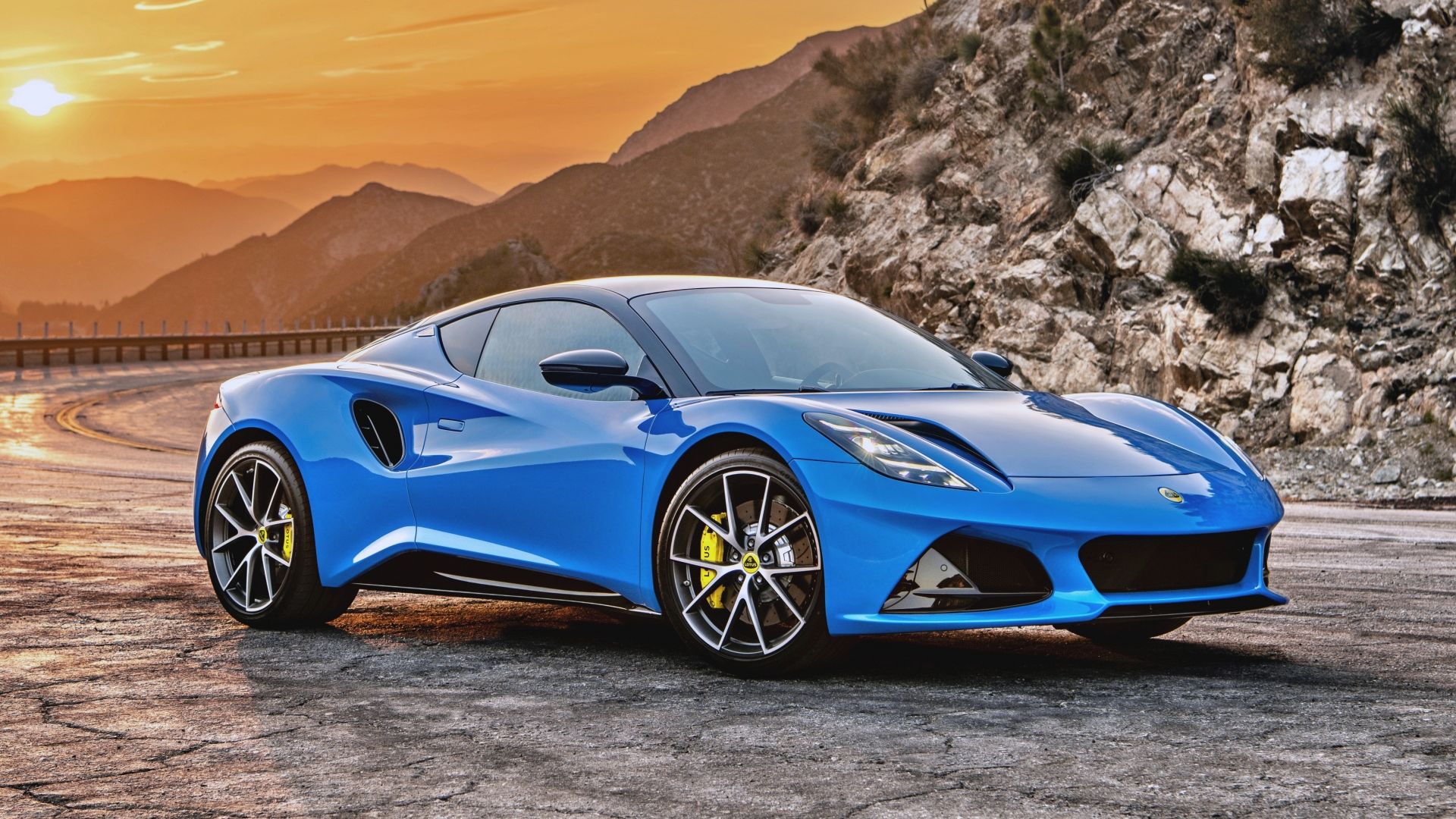
Exterior customization includes modifications to the vehicle's appearance including paint, trim, wheels, and body modifications. Custom paint jobs can range from simple color changes to elaborate designs and patterns. Vinyl wraps provide customizable designs without permanent paint changes. Custom trim and badging can personalize the vehicle's appearance. Custom wheels and tires can dramatically change the vehicle's appearance and performance.
Interior customization includes modifications to the vehicle's interior including seats, steering wheel, dashboard, and audio systems. Custom seats can improve comfort and appearance. Steering wheel modifications can improve grip and appearance. Dashboard modifications can improve functionality and appearance. Audio system upgrades can significantly improve sound quality.
Performance modifications include changes to the engine, transmission, suspension, and brakes to improve performance. Engine modifications including turbocharging, supercharging, and engine tuning can increase power and torque. Transmission modifications can improve acceleration and efficiency. Suspension modifications can improve handling and ride quality. Brake modifications can improve stopping power and fade resistance.
Lighting modifications include changes to headlights, taillights, and interior lighting. LED headlights and taillights can improve visibility and appearance. Custom interior lighting can personalize the vehicle's interior. Underglow lighting is illegal in many jurisdictions and should be avoided.
Exhaust modifications can improve performance and appearance. Performance exhaust systems can reduce backpressure and increase power. Custom exhaust systems can improve sound and appearance. However, some exhaust modifications may not comply with emissions regulations.
Suspension modifications can improve handling and appearance. Lowering springs and coilovers can lower the vehicle's ride height and improve handling. Air suspension systems can adjust ride height for different driving conditions. Suspension modifications can affect ride quality and comfort.
Wheel and tire modifications can dramatically change the vehicle's appearance and performance. Larger wheels and tires can improve appearance and handling but can reduce fuel economy and ride comfort. Smaller wheels and tires can improve fuel economy and ride comfort but may reduce handling performance.
Audio system upgrades can significantly improve sound quality. Aftermarket speakers can improve sound quality compared to factory speakers. Subwoofers can add bass response. Amplifiers can increase power and improve sound quality. Head units with advanced features can improve functionality and connectivity.
Aerodynamic modifications can improve performance and appearance. Spoilers and wings can improve high-speed stability. Diffusers can improve aerodynamics and appearance. Body kits can change the vehicle's appearance and aerodynamics.
Tinting windows can improve appearance and reduce interior heat. Window tinting is legal in most jurisdictions but regulations vary regarding tint darkness. Windshield tinting is illegal in many jurisdictions.
Safety considerations for modifications are important. Modifications should not compromise vehicle safety. Modifications should comply with local regulations and laws. Modifications should be performed by qualified technicians when necessary.
Warranty implications of modifications should be considered. Modifications may void manufacturer warranty coverage. Modifications that affect engine operation may affect warranty coverage for engine-related components. Owners should understand warranty implications before modifying vehicles.
Resale value implications of modifications should be considered. Some modifications can increase resale value, while others can decrease it. Modifications that appeal to a broad audience are more likely to increase resale value. Extreme modifications may appeal only to niche audiences and could decrease resale value.
Insurance implications of modifications should be considered. Some modifications may increase insurance premiums. Some modifications may not be covered by insurance. Owners should inform their insurance company about modifications.
Legal considerations for modifications vary by jurisdiction. Some modifications are illegal in certain jurisdictions. Emissions regulations may restrict certain modifications. Vehicle inspection and registration may be affected by modifications. Owners should understand local regulations before modifying vehicles.
Professional installation of modifications is recommended for complex modifications. Professional installers have the expertise and tools to perform modifications correctly. Professional installation typically costs more than DIY installation but provides better results and warranty coverage.
DIY modifications can save money but require mechanical skills and proper tools. DIY modifications should only be performed if the owner has the necessary skills and tools. Improper installation can damage the vehicle or compromise safety.
Maintenance of modified vehicles may require additional attention. Modified components may require more frequent maintenance than factory components. Modified vehicles may require specialized service and parts.
In conclusion, vehicle customization and modifications allow owners to personalize their vehicles and improve performance or appearance. By understanding customization options, safety considerations, and how modifications affect vehicle value and warranty coverage, owners can make informed decisions about customization. Whether making simple cosmetic changes or extensive performance modifications, customization should be performed safely and in compliance with local regulations.
Key Takeaways
Understanding this topic helps you make better decisions about your vehicle. Whether you're a car enthusiast or simply want to understand your vehicle better, this knowledge is valuable.
Questions to Consider
As you finish reading this article, consider how this information applies to your vehicle and driving habits. Use this knowledge to make informed decisions about maintenance, upgrades, or purchases.
Next Steps
Apply what you've learned to your vehicle ownership experience. If you have specific questions or need clarification, don't hesitate to reach out through our contact page.
Important Questions About This Topic
Before making decisions related to this topic, ask yourself these important questions:
- How does this information apply to my vehicle? Consider your specific vehicle model and driving habits.
- What problems could I prevent with this knowledge? Understanding this topic helps you avoid costly mistakes.
- When should I take action? Don't wait for problems to develop—be proactive.
- What professional help do I need? Some tasks require professional expertise.
Real-World Examples and Scenarios
Understanding this topic has real-world implications for your vehicle ownership experience. Whether you're making a purchase decision, performing maintenance, or addressing a problem, the knowledge you've gained here will serve you well.
Key Takeaways
Remember these important points as you apply this knowledge to your vehicle:
- Knowledge is power—informed decisions lead to better outcomes
- Preventive action is cheaper than reactive repairs
- Professional advice is valuable when you're uncertain
- Regular maintenance extends vehicle life and maintains value
Your Action Plan
Don't just read this article and move on. Take action today. Identify one specific thing you can do to apply this knowledge to your vehicle. Whether it's scheduling maintenance, researching options, or addressing a known issue, take that first step. Your vehicle—and your wallet—will thank you.