Vehicle Suspension Systems: A Comprehensive Guide to Comfort, Performance, and Handling
The suspension system is one of the most important yet least understood components of any vehicle. While many drivers focus on engine power or transmission type when evaluating vehicles, the suspension system has an equally profound impact on driving experience, safety, and comfort. The suspension system must accomplish a difficult balancing act: it must keep the tires in contact with the road surface to maintain traction and control, while simultaneously isolating the vehicle's occupants from road imperfections and bumps. This comprehensive guide explores how suspension systems work, the different types of suspension designs, and how suspension characteristics affect vehicle performance and driving experience.
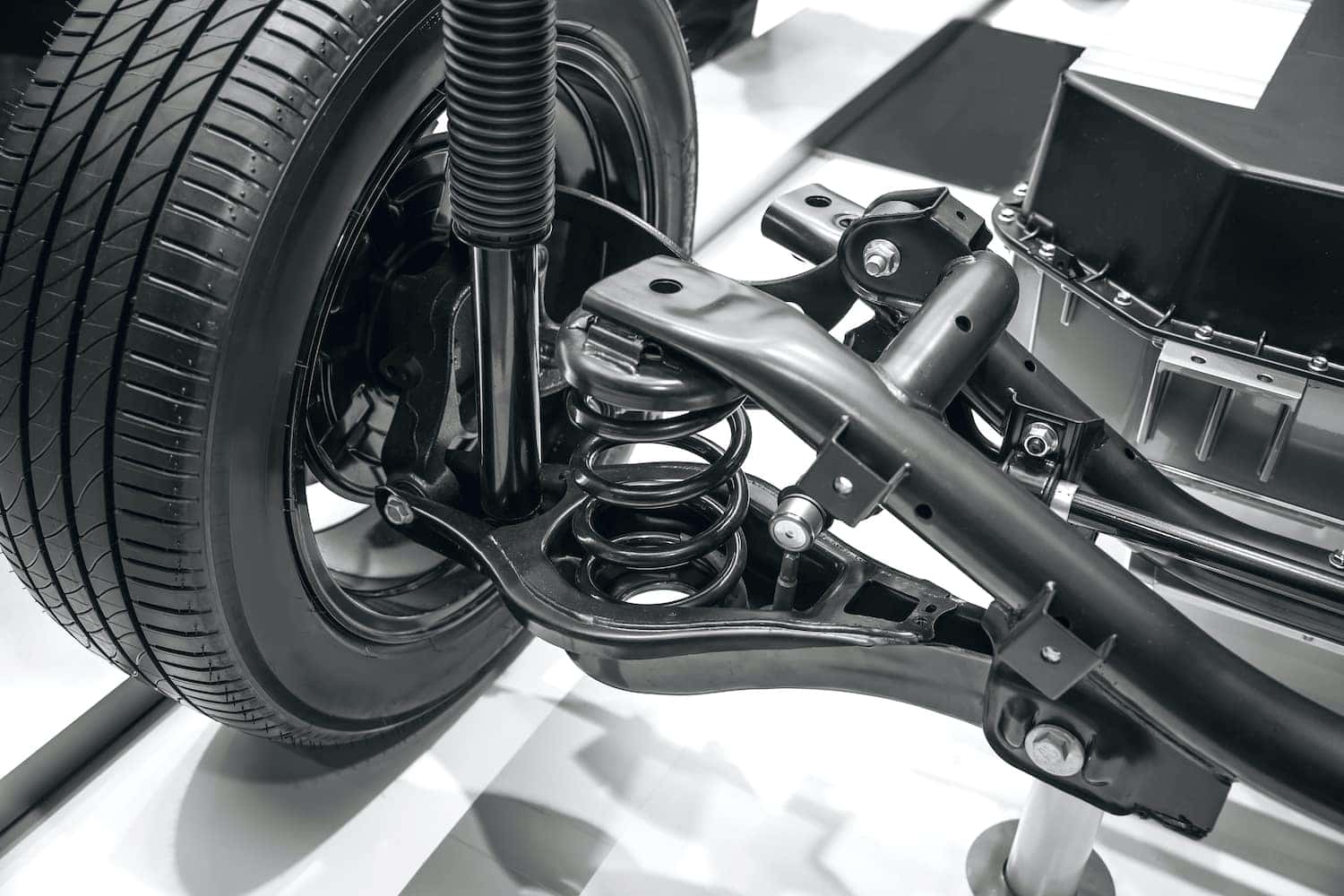
The fundamental purpose of a suspension system is to support the vehicle's weight while allowing the wheels to move up and down independently in response to road surface irregularities. Without a suspension system, every bump in the road would be transmitted directly to the vehicle's body and occupants, making the ride extremely uncomfortable and potentially unsafe. The suspension system uses springs to support the vehicle's weight and absorb energy from road bumps. However, springs alone would cause the vehicle to bounce up and down excessively after encountering a bump. Shock absorbers or dampers are therefore necessary to dissipate the energy stored in the springs, bringing the vehicle back to its normal ride height quickly and smoothly.
Springs are the primary load-carrying component of the suspension system. Different types of springs are used in different vehicles. Coil springs, which are tightly wound metal coils, are the most common type of spring used in modern vehicles. Coil springs are compact, durable, and can be easily tuned to provide different spring rates. Leaf springs, which consist of multiple layers of flat metal strips, were historically common in vehicles but are now primarily used in heavy-duty trucks and commercial vehicles. Air springs use compressed air to support the vehicle's weight and can be electronically adjusted to provide different ride heights and stiffness. Torsion bars, which are metal rods that twist to provide spring force, are used in some vehicle designs. Each spring type has different characteristics that affect ride quality and handling.
Shock absorbers, also called dampers, are essential for controlling the motion of the springs. When a spring is compressed by a bump in the road, it stores energy. If this energy is not dissipated, the spring will release this energy by pushing the vehicle upward, causing it to bounce. The shock absorber contains a piston that moves through a cylinder filled with hydraulic fluid. As the piston moves, it forces the fluid through small orifices, creating resistance that dissipates the energy stored in the spring. This process is called damping. Modern shock absorbers are sophisticated devices that can adjust their damping characteristics based on road conditions and driving style. Some advanced shock absorbers use electronic controls to continuously adjust damping, providing optimal comfort and handling under all driving conditions.
Struts are a common suspension component that combines the functions of a shock absorber and a structural member. A strut consists of a shock absorber surrounded by a coil spring, with the entire assembly serving as a structural support for the vehicle. Struts are more compact than separate shock absorbers and springs, making them ideal for front-wheel-drive vehicles where space is limited. Struts also serve as the upper pivot point for the steering system, making them integral to both suspension and steering function. Many modern vehicles use struts at the front and traditional shock absorbers and springs at the rear, though some vehicles use struts at both ends.
Anti-roll bars, also called sway bars or stabilizer bars, are important components that reduce body roll during cornering. When a vehicle turns, the outside wheels experience greater load than the inside wheels, causing the vehicle body to lean or roll toward the outside of the turn. An anti-roll bar is a metal rod that connects the left and right sides of the suspension. When one side of the suspension compresses more than the other, the anti-roll bar twists, transferring some of the load to the other side and reducing body roll. This improves handling and reduces the likelihood of the vehicle tipping during aggressive cornering. Anti-roll bars can be adjusted or removed to change the vehicle's handling characteristics, with stiffer bars reducing body roll but potentially making the ride harsher.
Control arms are metal links that connect the wheel hub to the vehicle frame, allowing the wheel to move up and down while controlling its position relative to the frame. Different suspension designs use different numbers and configurations of control arms. Double-wishbone suspension, which uses two control arms shaped like an inverted V, provides excellent control of wheel motion and is commonly used in high-performance vehicles. MacPherson strut suspension, which uses a strut and a single lower control arm, is simpler and more compact, making it popular in mainstream vehicles. Multi-link suspension designs use multiple control arms to provide precise control of wheel motion and are commonly used in luxury and high-performance vehicles.
Bushings are rubber or polyurethane components that isolate metal parts of the suspension from each other, reducing noise and vibration transmission to the vehicle body. Bushings are used throughout the suspension system to connect control arms, anti-roll bars, and other components to the frame. Over time, bushings can deteriorate, becoming cracked or torn. Worn bushings can cause clunking noises, imprecise steering, and uneven tire wear. Replacing worn bushings is an important maintenance task that can restore suspension performance and improve handling.
Ball joints are spherical bearings that allow the control arms to move in multiple directions while maintaining a connection to the wheel hub. Ball joints are subject to significant stress during normal driving and can wear out over time. Worn ball joints can cause clunking noises, imprecise steering, and uneven tire wear. In extreme cases, a completely worn ball joint can separate, causing loss of wheel control and a dangerous accident. Regular inspection of ball joints is important for safety, and worn ball joints should be replaced promptly.
Wheel alignment is critical for proper suspension function and tire wear. Wheel alignment refers to the angles at which the wheels are positioned relative to the vehicle frame. Three primary alignment angles are important: camber, which is the angle of the wheel relative to vertical; caster, which is the angle of the steering axis; and toe, which is the angle of the wheel relative to the vehicle's centerline. Improper wheel alignment can cause uneven tire wear, poor handling, and pulling to one side. Wheel alignment should be checked periodically and adjusted if necessary to maintain optimal handling and tire life.
Ride height, the distance between the vehicle frame and the ground, is determined by suspension spring rates and the vehicle's load. Lowering the ride height can improve handling by lowering the vehicle's center of gravity and reducing body roll, but it can also make the ride harsher and reduce ground clearance. Raising the ride height can improve ground clearance and ride comfort but can negatively impact handling. Many modern vehicles use adjustable suspension systems that allow ride height to be changed electronically, providing optimal characteristics for different driving conditions.
Adaptive suspension systems represent an advanced technology that continuously adjusts suspension characteristics based on road conditions and driving style. These systems use sensors to monitor vehicle motion, road surface conditions, and driver inputs. Based on this information, the system adjusts shock absorber damping, spring stiffness, or anti-roll bar stiffness to optimize ride comfort and handling. Adaptive suspension systems can provide a comfortable ride on smooth roads while maintaining excellent handling on winding roads. They can also adjust suspension stiffness based on driving style, becoming stiffer during aggressive driving and softer during normal driving.
Air suspension systems use compressed air instead of traditional springs to support the vehicle's weight. Air suspension systems can be electronically adjusted to change ride height and stiffness, providing excellent comfort and handling characteristics. Air suspension systems are commonly used in luxury vehicles and high-end performance cars. However, air suspension systems are more complex and expensive than traditional suspension systems, and repairs can be costly. Air suspension systems can also develop leaks that cause the vehicle to sag, requiring prompt repair.
Off-road suspension systems are designed for vehicles that will operate on rough terrain. Off-road suspensions typically feature longer travel, allowing the wheels to move up and down through greater distances without the suspension reaching its limits. Off-road suspensions often use leaf springs rather than coil springs, as leaf springs can handle the high loads and impacts of off-road driving. Many off-road vehicles also use locking differentials that prevent the wheels from spinning at different speeds, improving traction on rough terrain. Off-road suspension systems sacrifice some ride comfort on paved roads in exchange for superior capability on rough terrain.
Suspension tuning allows drivers to adjust suspension characteristics to match their preferences and driving style. Adjustable shock absorbers allow damping to be changed, affecting both ride comfort and handling. Adjustable anti-roll bars allow body roll to be controlled, affecting cornering performance. Lowering springs and coilovers allow ride height to be reduced, improving handling but potentially making the ride harsher. Suspension tuning is popular among performance enthusiasts who want to optimize their vehicles for track driving or aggressive street driving.
Suspension maintenance is essential for safety and performance. Shock absorbers and struts should be inspected regularly and replaced when they become worn or damaged. Bushings should be inspected for cracks or deterioration and replaced when necessary. Ball joints should be inspected for wear and replaced if they become loose or damaged. Wheel alignment should be checked periodically and adjusted if necessary. Regular suspension maintenance helps ensure safe, comfortable driving and extends tire life.
The future of suspension technology is rapidly evolving. Active suspension systems that use actuators to actively adjust suspension geometry and stiffness are being developed for high-end vehicles. These systems can provide superior comfort and handling by actively counteracting body motion during acceleration, braking, and cornering. Magnetic suspension systems use electromagnetic dampers that can adjust damping characteristics almost instantaneously, providing excellent ride quality and handling. As vehicles become increasingly autonomous, suspension systems will likely become more sophisticated, adjusting automatically to optimize comfort and safety based on road conditions and driving patterns.
In conclusion, the suspension system is a critical component that profoundly affects vehicle performance, comfort, and safety. Understanding how suspension systems work and how different suspension designs affect driving experience helps drivers make informed decisions when purchasing vehicles and maintaining their vehicles properly. Whether you prefer a soft, comfortable suspension or a firm, responsive suspension, modern suspension technology offers options to match virtually any preference. As suspension technology continues to evolve, future vehicles will likely offer even better combinations of comfort, performance, and handling.
Suspension Questions Every Driver Should Ask
Consider these important questions about your vehicle's suspension:
- Why does my vehicle bounce after hitting a bump? This could indicate worn suspension components.
- Should I upgrade my suspension? Performance upgrades can improve handling and comfort.
- How often should suspension components be inspected? Regular checks prevent safety issues.
Real-World Example: Suspension Performance
A vehicle with a well-maintained suspension system will handle curves smoothly and provide a comfortable ride. In contrast, a vehicle with worn suspension components will bounce excessively, lean heavily during turns, and feel unstable. This difference is immediately noticeable when driving.
Suspension Care and Upgrades
Whether you're looking to improve comfort or performance, understanding your suspension system is crucial. Regular maintenance and timely upgrades can significantly enhance your driving experience.
Important Questions About This Topic
Before making decisions related to this topic, ask yourself these important questions:
- How does this information apply to my vehicle? Consider your specific vehicle model and driving habits.
- What problems could I prevent with this knowledge? Understanding this topic helps you avoid costly mistakes.
- When should I take action? Don't wait for problems to develop—be proactive.
- What professional help do I need? Some tasks require professional expertise.
Real-World Examples and Scenarios
Understanding this topic has real-world implications for your vehicle ownership experience. Whether you're making a purchase decision, performing maintenance, or addressing a problem, the knowledge you've gained here will serve you well.
Key Takeaways
Remember these important points as you apply this knowledge to your vehicle:
- Knowledge is power—informed decisions lead to better outcomes
- Preventive action is cheaper than reactive repairs
- Professional advice is valuable when you're uncertain
- Regular maintenance extends vehicle life and maintains value
Your Action Plan
Don't just read this article and move on. Take action today. Identify one specific thing you can do to apply this knowledge to your vehicle. Whether it's scheduling maintenance, researching options, or addressing a known issue, take that first step. Your vehicle—and your wallet—will thank you.