Eco-Friendly and Sustainable Vehicles: A Comprehensive Guide to Environmentally Responsible Transportation
Published: 9 February 2026
Category: Automotive Guide
Reading Time: 12 min
Eco-Friendly and Sustainable Vehicles: A Comprehensive Guide to Environmentally Responsible Transportation
Environmental concerns are increasingly driving vehicle purchasing decisions as consumers seek to reduce their carbon footprint and environmental impact. Eco-friendly and sustainable vehicles offer reduced emissions, improved fuel economy, and lower environmental impact compared to traditional vehicles. Understanding different types of eco-friendly vehicles, their environmental benefits, and how to evaluate their sustainability helps consumers make environmentally responsible transportation choices. This comprehensive guide explores eco-friendly vehicles and sustainable transportation options.
Electric vehicles produce zero tailpipe emissions, eliminating local air pollution. The overall environmental benefit of electric vehicles depends on the electricity grid's composition. In regions with clean electrical grids powered by renewable energy, electric vehicles produce a fraction of the emissions of gasoline vehicles. Even in regions with dirtier grids, electric vehicles typically produce fewer emissions over their lifetime than gasoline vehicles.
Hybrid vehicles combine electric and gasoline power to improve fuel economy and reduce emissions. Hybrid vehicles produce fewer emissions than equivalent gasoline vehicles while maintaining the range and refueling convenience of gasoline vehicles. Hybrid vehicles are particularly effective in city driving where the electric motor is used most frequently.
Plug-in hybrid vehicles combine electric and gasoline power with the ability to charge from external power sources. Plug-in hybrids offer electric-only driving for short trips with extended range for longer trips. Plug-in hybrids produce fewer emissions than traditional vehicles while providing extended range and refueling flexibility.
Fuel-efficient gasoline vehicles with advanced engine technologies including direct injection, variable valve timing, and turbocharging offer improved fuel economy and reduced emissions compared to older gasoline vehicles. Fuel-efficient vehicles can significantly reduce environmental impact for consumers not ready to switch to electric or hybrid vehicles.
Diesel vehicles offer improved fuel economy compared to gasoline vehicles, reducing fuel consumption and emissions. However, diesel vehicles produce higher nitrogen oxide emissions, which contribute to air pollution. Modern diesel vehicles with advanced emissions control systems produce significantly lower emissions than older diesel vehicles.
Biofuel vehicles can operate on renewable fuels including ethanol and biodiesel. Biofuels reduce dependence on fossil fuels and can reduce emissions compared to petroleum fuels. However, biofuel production can have environmental impacts including land use changes and agricultural practices.
Hydrogen fuel cell vehicles produce zero emissions, with only water vapor as a byproduct. Hydrogen fuel cells offer long range and quick refueling similar to gasoline vehicles. However, hydrogen infrastructure is limited, making hydrogen vehicles impractical for most consumers currently.
Lightweight vehicles reduce fuel consumption and emissions by requiring less energy to accelerate and maintain speed. Lightweight materials including aluminum and carbon fiber reduce vehicle weight. Lightweight vehicles can improve fuel economy by ten to twenty percent compared to heavier vehicles.
Aerodynamic design reduces drag and improves fuel economy. Vehicles with streamlined shapes and reduced frontal area consume less fuel. Aerodynamic design can improve fuel economy by five to ten percent.
Low rolling resistance tires reduce energy required to move the vehicle. Low rolling resistance tires can improve fuel economy by three to five percent. Low rolling resistance tires are increasingly becoming standard on new vehicles.
Idle stop-start systems automatically shut off the engine when the vehicle is stopped and restart it when the driver releases the brake. Idle stop-start systems reduce fuel consumption in city driving where vehicles spend significant time stopped at traffic lights.
Regenerative braking systems capture energy during braking that would otherwise be wasted. Regenerative braking is particularly effective in city driving where frequent braking occurs. Regenerative braking can improve fuel economy by five to ten percent in city driving.
Sustainable manufacturing practices reduce the environmental impact of vehicle production. Manufacturers are increasingly using renewable energy in manufacturing facilities. Recycled materials are being used in vehicle construction. End-of-life vehicle recycling is being improved to recover valuable materials.
Carbon footprint of vehicles includes emissions from manufacturing, operation, and end-of-life recycling. Electric vehicles typically have higher manufacturing emissions due to battery production but lower operational emissions. Over their lifetime, electric vehicles typically produce fewer total emissions than gasoline vehicles.
Lifecycle assessment evaluates the total environmental impact of vehicles throughout their lifetime. Lifecycle assessment includes manufacturing emissions, operational emissions, and end-of-life recycling. Lifecycle assessment provides a comprehensive view of vehicle environmental impact.
Environmental certifications and ratings help consumers identify environmentally friendly vehicles. The EPA provides fuel economy and emissions ratings. The Union of Concerned Scientists provides environmental ratings. Environmental certifications help consumers compare vehicles' environmental impact.
Government incentives for eco-friendly vehicles including tax credits and rebates help reduce purchase prices. Many governments offer incentives for electric vehicles and other eco-friendly vehicles. Incentives can significantly reduce the effective purchase price of eco-friendly vehicles.
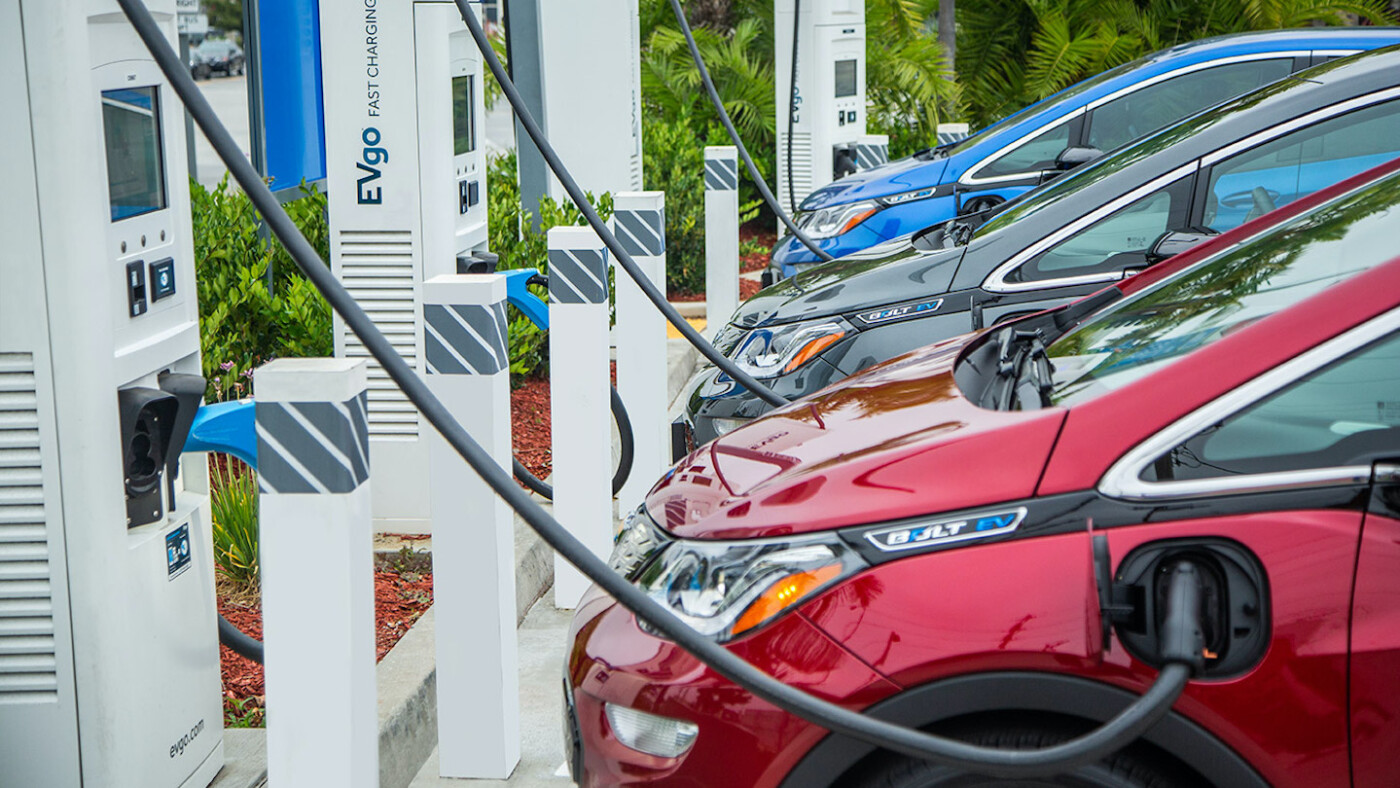
Charging infrastructure for electric vehicles is expanding rapidly. Public charging stations are increasingly available in most developed countries. Home charging using a Level 2 charger provides convenient overnight charging. Charging infrastructure expansion is making electric vehicles increasingly practical.
Total cost of ownership of eco-friendly vehicles is often lower than traditional vehicles due to lower fuel and maintenance costs. Government incentives can further reduce the effective purchase price. Over the vehicle's lifetime, eco-friendly vehicles can provide significant savings compared to traditional vehicles.
In conclusion, eco-friendly and sustainable vehicles offer reduced emissions, improved fuel economy, and lower environmental impact compared to traditional vehicles. By understanding different types of eco-friendly vehicles, their environmental benefits, and how to evaluate their sustainability, consumers can make environmentally responsible transportation choices. As battery technology improves, charging infrastructure expands, and prices decrease, eco-friendly vehicles will likely become increasingly popular and practical for a broader range of consumers seeking to reduce their environmental impact.
Key Takeaways
Understanding this topic helps you make better decisions about your vehicle. Whether you're a car enthusiast or simply want to understand your vehicle better, this knowledge is valuable.
Questions to Consider
As you finish reading this article, consider how this information applies to your vehicle and driving habits. Use this knowledge to make informed decisions about maintenance, upgrades, or purchases.
Next Steps
Apply what you've learned to your vehicle ownership experience. If you have specific questions or need clarification, don't hesitate to reach out through our contact page.
Important Questions About This Topic
Before making decisions related to this topic, ask yourself these important questions:
- How does this information apply to my vehicle? Consider your specific vehicle model and driving habits.
- What problems could I prevent with this knowledge? Understanding this topic helps you avoid costly mistakes.
- When should I take action? Don't wait for problems to develop—be proactive.
- What professional help do I need? Some tasks require professional expertise.
Real-World Examples and Scenarios
Understanding this topic has real-world implications for your vehicle ownership experience. Whether you're making a purchase decision, performing maintenance, or addressing a problem, the knowledge you've gained here will serve you well.
Key Takeaways
Remember these important points as you apply this knowledge to your vehicle:
- Knowledge is power—informed decisions lead to better outcomes
- Preventive action is cheaper than reactive repairs
- Professional advice is valuable when you're uncertain
- Regular maintenance extends vehicle life and maintains value
Your Action Plan
Don't just read this article and move on. Take action today. Identify one specific thing you can do to apply this knowledge to your vehicle. Whether it's scheduling maintenance, researching options, or addressing a known issue, take that first step. Your vehicle—and your wallet—will thank you.