Enhanced Geothermal: Drilling Toward Firm Clean Power
Enhanced geothermal systems apply hydraulic fracturing techniques to granitic basement rock, circulating water through engineered fractures to extract heat from depths previously considered inaccessible for reliable electricity generation.
Key points
- Traditional geothermal relies on rare natural hydrothermal reservoirs, whereas enhanced systems engineer artificial permeability in ubiquitous hot dry rock formations at depths of several kilometres.
- The process uses directional drilling and high-pressure fluid injection to create a network of cracks, facilitating heat exchange between the rock and injected water.
- Fluid injection carries a documented risk of induced seismicity, requiring precise pressure management and real-time monitoring to prevent tremors that could disturb local populations or infrastructure.
- Technical viability depends on transferring hydraulic fracturing expertise from the petroleum sector while ensuring the engineered reservoirs remain productive without significant fluid loss over decades.
Most low-carbon electricity sources depend upon intermittent natural phenomena. Wind and solar power provide variable energy that necessitates significant storage infrastructure or supplemental generation to maintain grid stability. While lithium-ion batteries and pumped hydro provide short-term buffers, the search for a permanent, carbon-free source of firm power has increasingly turned toward the heat stored within the Earth. Unlike traditional renewables, geothermal energy is insensitive to weather conditions and provides a continuous base load of electricity.
Historically, this resource has been limited to rare geological anomalies. Natural geothermal sites require a confluence of three specific factors: high-temperature rock, sufficient fluid to carry that heat, and high permeability to allow the fluid to move. These conditions are typically found near tectonic plate boundaries or volcanic hotspots where magma sits close to the surface. Most of the planet sits atop vast reserves of thermal energy that remain inaccessible because the underlying rock is dry and impermeable.
Enhanced Geothermal Systems (EGS) represent an engineering attempt to recreate these rare conditions artificially. The core premise involves drilling into deep, hot basement rock, fracturing it to create a man-made radiator, and circulating water through the resulting network. This approach aims to decouple geothermal energy from specific geography, potentially allowing power plants to be built wherever the crust is sufficiently thin or the thermal gradient is steep enough to reach useful temperatures.
The transition from theory to commercial viability relies heavily on techniques adapted from the hydrocarbon sector. Horizontal drilling and hydraulic stimulation, refined during the development of shale gas, are now being applied to harder, crystalline formations such as granite. This transfer of skills allows for the precise engineering of subterranean reservoirs, though it introduces significant mechanical and environmental challenges, particularly regarding the control of induced seismic activity.
Limitations of conventional hydrothermal energy
Conventional geothermal power relies on hydrothermal reservoirs, which are naturally occurring pockets of steam or hot water trapped in porous rock. These reservoirs are relatively easy to exploit because the infrastructure requires only a production well to extract the fluid and an injection well to return it once the heat has been harvested at the surface. However, these sites represent a tiny fraction of the Earth's crust. They are geological exceptions, often identified by surface manifestations like geysers or hot springs.
When a hydrothermal system is tapped, the primary risk is resource depletion. If the rate of fluid extraction exceeds the natural recharge rate, the pressure within the reservoir drops, and the temperature eventually declines. Because these systems depend on specific, pre-existing plumbing within the rock, they cannot be expanded easily. If a well misses the primary fracture network of a hydrothermal field, it may produce nothing, leading to high exploration risks and sunk costs for developers.
Furthermore, many hydrothermal fluids contain high concentrations of dissolved minerals and non-condensable gases, such as hydrogen sulphide and carbon dioxide. These can cause scaling and corrosion within pipes and turbines, increasing maintenance costs. The geographic constraint remains the most significant barrier; for geothermal to contribute meaningfully to global energy targets, it must move beyond these niche volcanic regions and into the hot, dry rock that constitutes the vast majority of the continental crust.
Thermal gradients and the geology of basement rock
The temperature of the Earth increases with depth, a phenomenon known as the geothermal gradient. In most parts of the world, this gradient averages approximately 25 to 30 degrees Celsius per kilometre of depth. In regions with thinner crust or recent volcanic activity, this rate can be significantly higher. At depths of three to five kilometres, temperatures in many regions reach between 150 and 250 degrees Celsius, which is sufficient for high-efficiency power generation.
The target for EGS is usually basement rock, typically granitic or metamorphic formations that lie beneath layers of sedimentary cover. Unlike sedimentary rock, which is often porous and contains water, basement rock is extremely dense and has negligible primary permeability. It is essentially a solid mass of mineral crystals. While this rock lacks the natural water needed for traditional geothermal, its crystalline structure makes it an excellent medium for conducting and storing heat.
Exploiting this heat requires drilling through the softer sedimentary layers into the brittle basement. The thermal energy contained in these deep formations is vast; geological surveys suggest that the heat stored within the top ten kilometres of the crust exceeds the energy content of all known fossil fuel reserves. The challenge is not the availability of the energy, but the physics of extracting it from a solid medium that resists the flow of fluid.
Mechanics of hydraulic stimulation in granite
To extract heat from dry basement rock, engineers must create an artificial network of cracks, a process known as hydraulic stimulation. This involves pumping high-pressure fluid into the wellbore until the stress exceeds the strength of the rock, causing it to fracture. In EGS, this process differs slightly from the hydraulic fracturing used in the oil and gas industry. Rather than creating new, wide cracks using proppants like sand, geothermal stimulation often relies on hydroshearing.
Hydroshearing targets pre-existing, closed fractures or planes of weakness within the granite. As the fluid pressure increases, it reduces the effective friction along these planes, causing the rock to slip slightly. Because the surfaces of these natural fractures are rough and irregular, they do not fit back together perfectly once the pressure is released. This "self-propping" mechanism leaves a permanent gap, creating a thin, interconnected pathway for water to circulate.
The success of the stimulation depends on achieving a balance between creating enough surface area for heat exchange and avoiding the creation of a single large shortcut.
If a single large fracture dominates the system, the water travels too quickly from the injection well to the production well, failing to absorb sufficient heat. This is known as short-circuiting. Precise control over the fluid pressure and volume is required to ensure a distributed network of thousands of small fractures. The process is monitored using arrays of seismometers, as each tiny crack produces a micro-seismic event. While most of these events are imperceptible at the surface, the risk of larger, felt earthquakes remains a primary concern for the industry, necessitating rigorous traffic-light protocols to halt operations if seismic activity exceeds specific thresholds.
Directional drilling and reservoir architecture
The architecture of a modern enhanced geothermal reservoir is defined by the geometry of the wells. Early EGS experiments in the 1970s and 1980s typically used vertical wells, which had limited contact with the stimulated rock volume. Current projects prefer directional drilling, where the wellbore is steered to run horizontally through the hottest sections of the basement rock. A horizontal well can span a kilometre or more of the reservoir, providing much greater exposure to the fractured rock than a vertical shaft.
In a typical EGS configuration, a pair of wells, or a "doublet," is drilled. The injection well introduces cold water into the fractured zone, and the production well, situated several hundred metres away, collects the heated water. The trajectory of these wells must be carefully planned to intersect the maximum number of stimulated fractures. Advanced drilling motors and measurement-while-drilling tools, originally developed to navigate narrow oil-bearing strata, allow engineers to steer the drill bit with high precision through hard crystalline rock.
The integrity of the reservoir architecture depends on zonal isolation. By using packers or plugs, engineers can divide the horizontal section of the well into distinct stages. Each stage is stimulated individually, ensuring that the entire length of the horizontal well contributes to the heat exchange process. This multi-stage approach prevents the stimulation fluid from simply following the path of least resistance at a single point, allowing for the creation of a massive, voluminous heat exchanger deep underground. The objective is to create a closed-loop system where the same water is circulated repeatedly, picking up heat from the granite and delivering it to a binary cycle power plant at the surface.
Binary cycle power plants and surface heat exchange
The thermal energy recovered from enhanced geothermal systems is typically lower in temperature than the steam produced by conventional geothermal fields. While volcanic sites might yield fluids exceeding 300 degrees Celsius, enhanced reservoirs often operate between 150 and 200 degrees Celsius. Water at these temperatures remains liquid under pressure but lacks the thermal energy to drive a conventional steam turbine efficiently. Consequently, these projects rely on binary cycle power plants.
In a binary system, the heated geothermal fluid passes through a heat exchanger where it transfers its energy to a secondary working fluid. This secondary fluid is an organic compound, such as isobutane or pentane, which has a much lower boiling point than water. The heat from the geothermal brine causes the organic fluid to flash into vapour, which then expands to drive the turbine. Because the two fluids never mix, the system remains closed. The geothermal brine is reinjected into the reservoir to be reheated, while the organic fluid is condensed back into a liquid using cooling towers or air-cooled condensers, ready to repeat the cycle.
The efficiency of this process is heavily dependent on the temperature differential between the geothermal fluid and the ambient air. In warmer climates or during summer months, the ability to condense the working fluid decreases, which can reduce the net power output of the plant. Engineers compensate for this by using large-scale air cooling arrays, though these add to the facility’s internal power consumption. The stability of the underground heat source ensures that, unlike solar or wind, the plant can produce a steady output regardless of the time of day, provided the mechanical systems at the surface and the pressure within the reservoir remain stable.
Managing the risks of induced seismicity
The process of creating a geothermal reservoir involves hydraulic stimulation, which necessarily generates micro-seismic events. To create the fractures required for water flow, fluid is injected at pressures high enough to overcome the minimum principal stress of the rock. This causes existing natural fractures to slip and new ones to form. While the vast majority of these events are imperceptible at the surface, larger slips can occur if the injected fluid interacts with pre-existing, critically stressed faults.
Managing this risk requires a combination of pre-site characterisation and real-time monitoring. Before drilling begins, geophysical surveys using reflection seismology and gravity measurements attempt to map major fault lines. Once injection starts, dense arrays of surface and downhole seismometers detect even the smallest acoustic emissions. These are analysed in real time to determine the location, magnitude, and orientation of the fractures.
The primary technical challenge lies in distinguishing between the beneficial micro-seismicity required for permeability and the larger events that pose a risk to surface infrastructure.
Most operators now employ a traffic-light system to govern injection activities. If seismic activity exceeds a predetermined threshold of magnitude or frequency, the injection pressure is reduced or halted entirely. By bleeding off the pressure, engineers can usually arrest the slip of the fault. The failure of earlier geothermal projects, such as the one in Basel, Switzerland in 2006, has led to much stricter protocols. Contemporary projects focus on avoiding basement faults and using lower-pressure, high-volume injection techniques that distribute the stress more evenly across the rock volume, rather than concentrating it at a single point.
Transferring oilfield technology to carbon-free power
The rapid advancement of enhanced geothermal systems is largely a consequence of the technical maturity of the unconventional oil and gas industry. The ability to drill horizontally for several kilometres and then precisely stimulate the rock is a direct transfer of the techniques used in shale gas extraction. However, the transition from sedimentary basins to crystalline basement rock requires significant engineering adjustments.
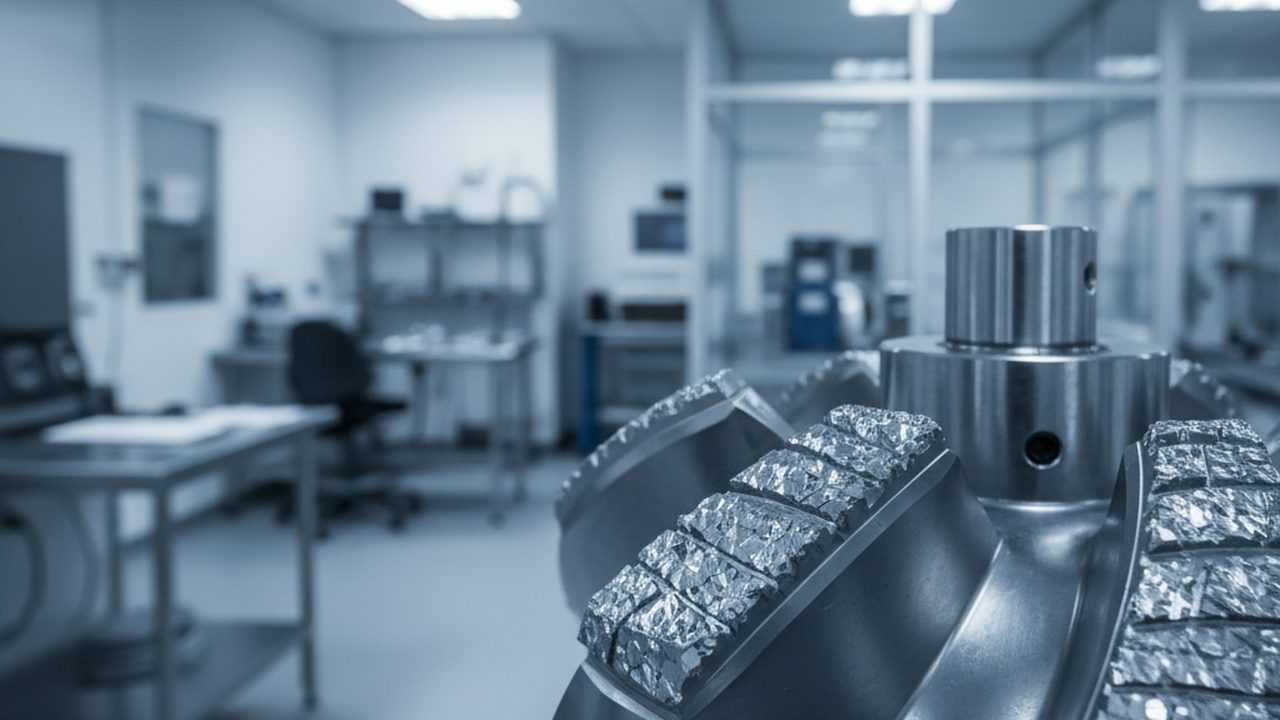
Bit wear is a primary concern. The granite and gneiss targeted for geothermal energy are far harder and more abrasive than the shales and sandstones encountered in petroleum geology. This has led to the adaptation of polycrystalline diamond compact bits and the development of new drilling fluids that can withstand high temperatures without breaking down. The high-temperature environment also challenges the electronics used in measurement-while-drilling tools. Standard oilfield electronics often fail above 175 degrees Celsius, necessitating the use of vacuum-insulated flasks or specialized high-temperature circuits to protect the sensors.
The supply chain and workforce for geothermal energy are largely identical to those of the oil industry. Drilling rigs, casing, cement, and high-pressure pumps are all sourced from the same providers. This allows the geothermal sector to scale by utilizing existing industrial capacity, rather than building a new infrastructure from the ground up. The logistical expertise in managing large-scale fluid injection and long-term reservoir pressure is perhaps the most critical transfer of knowledge, as the long-term viability of a geothermal site depends on maintaining a balanced flow between injection and production wells.
Thermal exhaustion and reservoir longevity
A central uncertainty in enhanced geothermal systems is the rate of thermal drawdown. Unlike a conventional hydrothermal field, where water is naturally replenished by a vast underground aquifer, an enhanced reservoir relies on the finite amount of heat stored in a specific volume of rock. As cool water is circulated through the fractures, it extracts heat from the rock surfaces. Over time, the temperature of the produced fluid may decline if the rate of heat extraction exceeds the rate at which heat conducts from the surrounding rock mass into the fracture network.
To prevent premature thermal exhaustion, engineers must ensure that the fracture network is sufficiently large and complex. If a few large fractures dominate the flow, the water will travel too quickly, failing to pick up enough heat and cooling the rock surfaces along those paths rapidly. This is known as short-circuiting. By creating a dense web of smaller fractures, the surface area for heat exchange is maximised, and the velocity of the water is slowed, allowing for more efficient thermal transfer.
Computer modelling suggests that a well-designed reservoir should be able to maintain its output for twenty to thirty years. Once the temperature drops below an economic threshold, the operator may choose to rest the reservoir for several decades to allow heat to conduct back from the deeper crust, or they may attempt to stimulate new sections of rock by drilling additional lateral branches. The long-term behaviour of these artificial reservoirs is still being studied, as no modern enhanced geothermal project has yet operated for its full projected lifespan.
Economic scale and the path to firm baseload
For enhanced geothermal energy to become a significant part of the grid, the cost of drilling and stimulation must decrease. Currently, the capital expenditure required to establish a geothermal plant is significantly higher than that of wind or solar installations. The primary drivers of this cost are the time spent drilling through hard rock and the potential for losing expensive equipment in high-temperature wells. However, as the number of projects increases, the industry expects a learning curve similar to that seen in the shale industry, where drilling times were reduced by more than half over a decade.
Geothermal energy offers a unique value proposition as a firm, carbon-free power source. While weather-dependent renewables require expensive battery storage or gas-fired backup to ensure grid stability, geothermal plants operate with high capacity factors, often exceeding 90 percent. This makes them a suitable replacement for coal and nuclear plants in providing the baseload power necessary to keep the grid stable. Furthermore, the small surface footprint of a geothermal plant allows it to be located near existing transmission lines or industrial centres that require a constant supply of heat and electricity.
The potential for this technology is vast, as the heat beneath the earth's crust is an effectively inexhaustible resource. However, the path forward is not without hurdles. Public acceptance of hydraulic stimulation remains varied, and the technical challenge of drilling consistently at depths beyond five kilometres into extremely hot environments has yet to be solved at a commercial price point.
The feasibility of creating artificial reservoirs in crystalline rock has been demonstrated in several pilot projects, and the ability to generate electricity from these sites using binary cycle plants is well-established. What remains unresolved is the long-term economic competitiveness of these systems compared to other low-carbon alternatives. If drilling costs continue to fall and the demand for reliable, carbon-free baseload power increases, enhanced geothermal systems could transition from a niche engineering feat to a foundational component of the energy system. The next decade of commercial-scale deployments will determine whether the industry can replicate the rapid cost reductions seen in other energy sectors.