ComputingThe Post-Silicon Era: What Actually Comes After Moore's LawComputingQuantum Error Correction: The Only Number That MattersEnergyFusion Energy After Ignition: The Engineering Problems That RemainEnergySolid-State Batteries: Where the Engineering Actually StandsNeurotechnologyBrain-Computer Interfaces: What Electrodes Can and Cannot ReadBiotechnologyProtein Structure Prediction After AlphaFold: What Was Solved and What Was NotArtificial IntelligenceInside a Language Model: Attention, Tokens, and Why It HallucinatesEnergyGrid-Scale Storage: The Physics and Economics of Keeping the Lights OnBiotechnologyGene Editing Reaches the Clinic: From CRISPR Scissors to Base EditorsComputingNeuromorphic Computing: Chips That Compute Like Nervous SystemsBiotechnologyThe mRNA Platform Beyond VaccinesSpaceThe Crowded Sky: Orbital Debris and the Economics of Low Earth OrbitEnergySmall Modular Reactors: Serial Production Versus Nuclear PhysicsArtificial IntelligenceWhat Alignment Researchers Actually Do All DaySpaceThe Cislunar Economy: What Would Have to Be TrueBiotechnologyThe Delivery Problem: Why Gene Therapy Stalls Outside the LiverComputingPhotonic Computing: Light as a Substrate for ArithmeticEnergyEnhanced Geothermal: Drilling Toward Firm Clean PowerNeurotechnologyBrain Organoids: Miniature Neural Tissue and the Questions It RaisesArtificial IntelligenceScaling Laws: The Empirical Backbone of Modern AISpaceSpace-Based Solar Power: Running the Numbers HonestlyBiotechnologyEngineered Microbes as FactoriesComputingExtreme Ultraviolet Lithography: The Hardest Machine Ever CommercialisedEnergyHydrogen: Sorting the Real Applications From the HypeNeurotechnologyDeep Brain Stimulation: Neurology's Most Successful ImplantArtificial IntelligenceWhy Robots Still Cannot Reliably Pick Things UpSpaceReading Alien Atmospheres: How Transmission Spectroscopy WorksEnergyCarbon Removal: The Measurement Problem Behind the MarketComputingPost-Quantum Cryptography: Migrating Before the DeadlineBiotechnologyThe Biology of Aging: From Hallmarks to InterventionsEnergyPrivate Fusion: Six Confinement Bets and What Distinguishes ThemArtificial IntelligenceMachine Vision in Clinical MedicineSpaceAsteroid Resources: Chemistry, Not TreasureNeurotechnologyRestoring Movement After Spinal Cord InjuryEnergyThe Power Bill of Artificial IntelligenceBiotechnologyThe Microbiome: Separating Correlation From CauseComputingRunning Models on Devices: The Edge Inference StackSpaceRadiation Is the Hardest Part of Going to MarsNeurotechnologyWhat Neuroscience Now Knows About SleepArtificial IntelligenceOpen-Weight Models and the Economics of Frontier AIComputingThe Post-Silicon Era: What Actually Comes After Moore's LawComputingQuantum Error Correction: The Only Number That MattersEnergyFusion Energy After Ignition: The Engineering Problems That RemainEnergySolid-State Batteries: Where the Engineering Actually StandsNeurotechnologyBrain-Computer Interfaces: What Electrodes Can and Cannot ReadBiotechnologyProtein Structure Prediction After AlphaFold: What Was Solved and What Was NotArtificial IntelligenceInside a Language Model: Attention, Tokens, and Why It HallucinatesEnergyGrid-Scale Storage: The Physics and Economics of Keeping the Lights OnBiotechnologyGene Editing Reaches the Clinic: From CRISPR Scissors to Base EditorsComputingNeuromorphic Computing: Chips That Compute Like Nervous SystemsBiotechnologyThe mRNA Platform Beyond VaccinesSpaceThe Crowded Sky: Orbital Debris and the Economics of Low Earth OrbitEnergySmall Modular Reactors: Serial Production Versus Nuclear PhysicsArtificial IntelligenceWhat Alignment Researchers Actually Do All DaySpaceThe Cislunar Economy: What Would Have to Be TrueBiotechnologyThe Delivery Problem: Why Gene Therapy Stalls Outside the LiverComputingPhotonic Computing: Light as a Substrate for ArithmeticEnergyEnhanced Geothermal: Drilling Toward Firm Clean PowerNeurotechnologyBrain Organoids: Miniature Neural Tissue and the Questions It RaisesArtificial IntelligenceScaling Laws: The Empirical Backbone of Modern AISpaceSpace-Based Solar Power: Running the Numbers HonestlyBiotechnologyEngineered Microbes as FactoriesComputingExtreme Ultraviolet Lithography: The Hardest Machine Ever CommercialisedEnergyHydrogen: Sorting the Real Applications From the HypeNeurotechnologyDeep Brain Stimulation: Neurology's Most Successful ImplantArtificial IntelligenceWhy Robots Still Cannot Reliably Pick Things UpSpaceReading Alien Atmospheres: How Transmission Spectroscopy WorksEnergyCarbon Removal: The Measurement Problem Behind the MarketComputingPost-Quantum Cryptography: Migrating Before the DeadlineBiotechnologyThe Biology of Aging: From Hallmarks to InterventionsEnergyPrivate Fusion: Six Confinement Bets and What Distinguishes ThemArtificial IntelligenceMachine Vision in Clinical MedicineSpaceAsteroid Resources: Chemistry, Not TreasureNeurotechnologyRestoring Movement After Spinal Cord InjuryEnergyThe Power Bill of Artificial IntelligenceBiotechnologyThe Microbiome: Separating Correlation From CauseComputingRunning Models on Devices: The Edge Inference StackSpaceRadiation Is the Hardest Part of Going to MarsNeurotechnologyWhat Neuroscience Now Knows About SleepArtificial IntelligenceOpen-Weight Models and the Economics of Frontier AI

Archive

40 original long-form articles, each written and edited in-house. More are published every week.

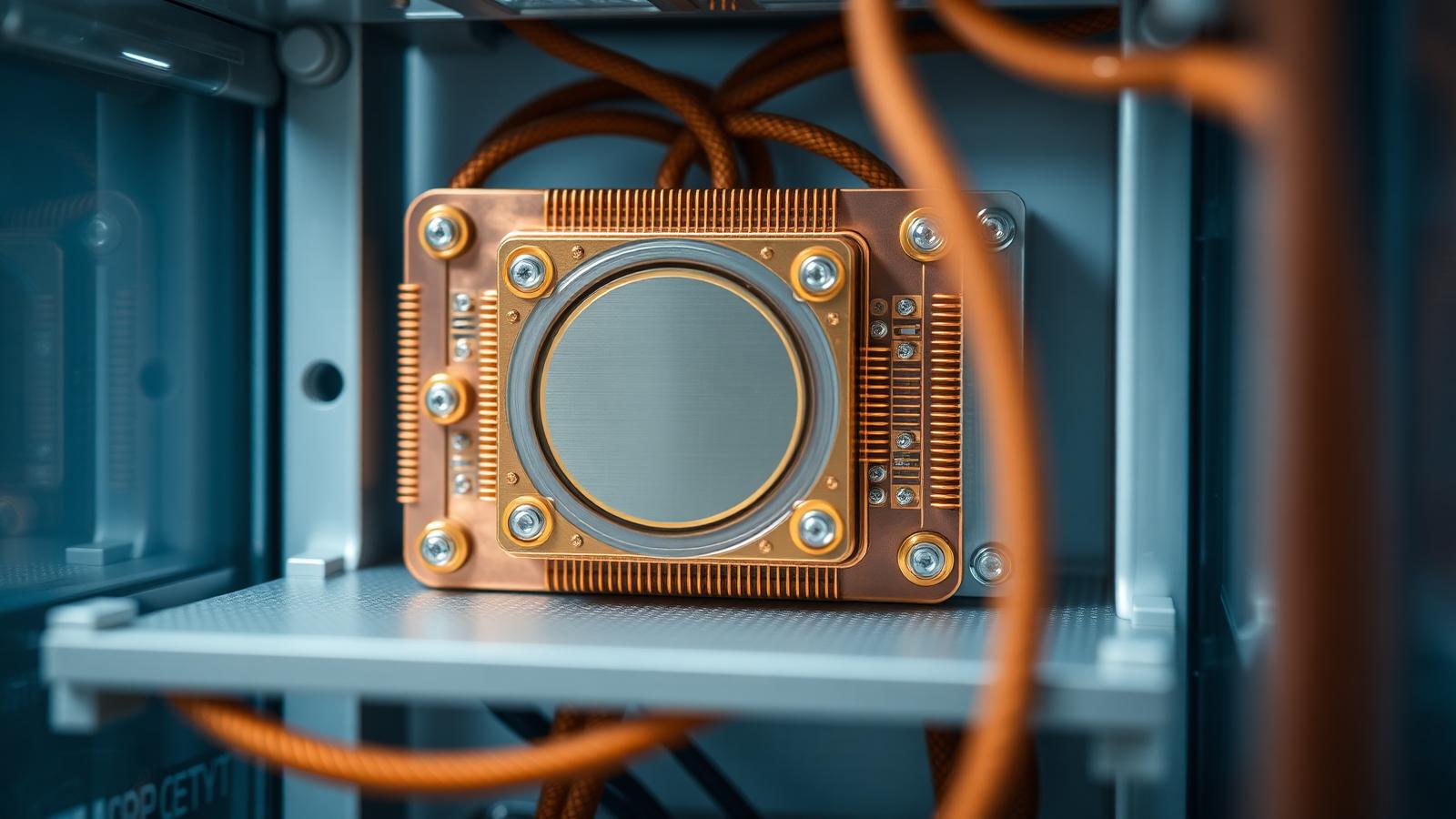
A close-up photograph of a golden dilution refrigerator component with intricate wiring and coaxial cables inside a laboratory setting.
Computing

Quantum Error Correction: The Only Number That Matters

Quantum computers currently fail after a fraction of a second due to environmental noise. Practical utility depends entirely on error correction techniques that group fragile physical qubits into stable, error-resistant logical units.

Aug 14, 2026 · 12 min · 2,785 words

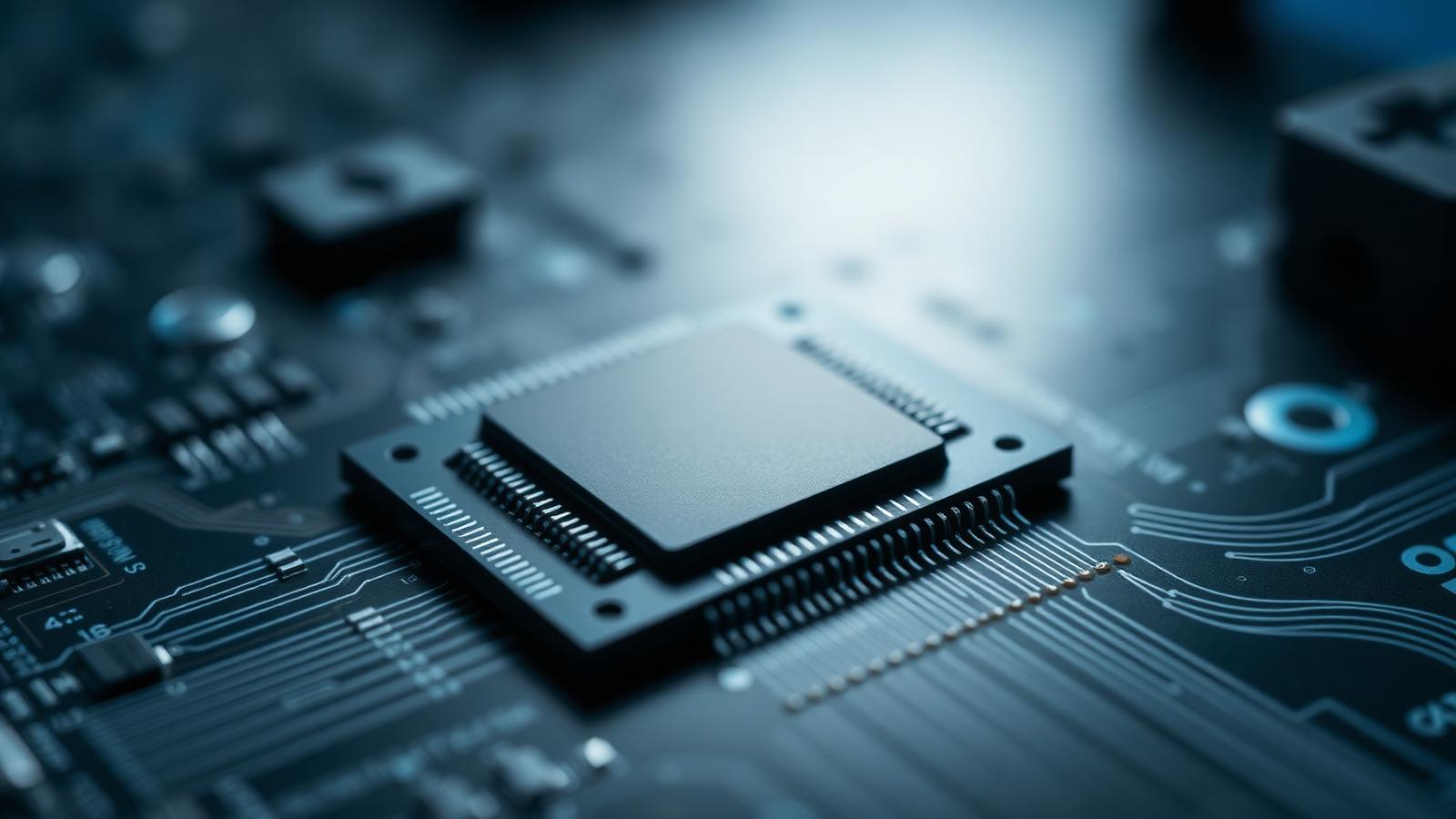
A macro photograph of a neuromorphic processor mounted on a circuit board, showing the intricate grid of the chip package and gold-bonded wires.
Computing

Neuromorphic Computing: Chips That Compute Like Nervous Systems

Neuromorphic hardware departs from standard processor design by using physical silicon to mimic the electrical spiking of biological neurons, potentially reducing the energy cost of running artificial intelligence models by several orders of magnitude.

Aug 2, 2026 · 13 min · 2,813 words

A close-up of a silicon photonic integrated circuit showing intricate gold and translucent glass waveguides on a dark substrate.
Computing

Photonic Computing: Light as a Substrate for Arithmetic

Electronic processors face physical limits in heat and interconnect speed. Photonic systems use light to perform mathematical operations at the speed of propagation, potentially bypassing the resistance inherent in traditional copper and silicon.

Jul 15, 2026 · 14 min · 3,197 words

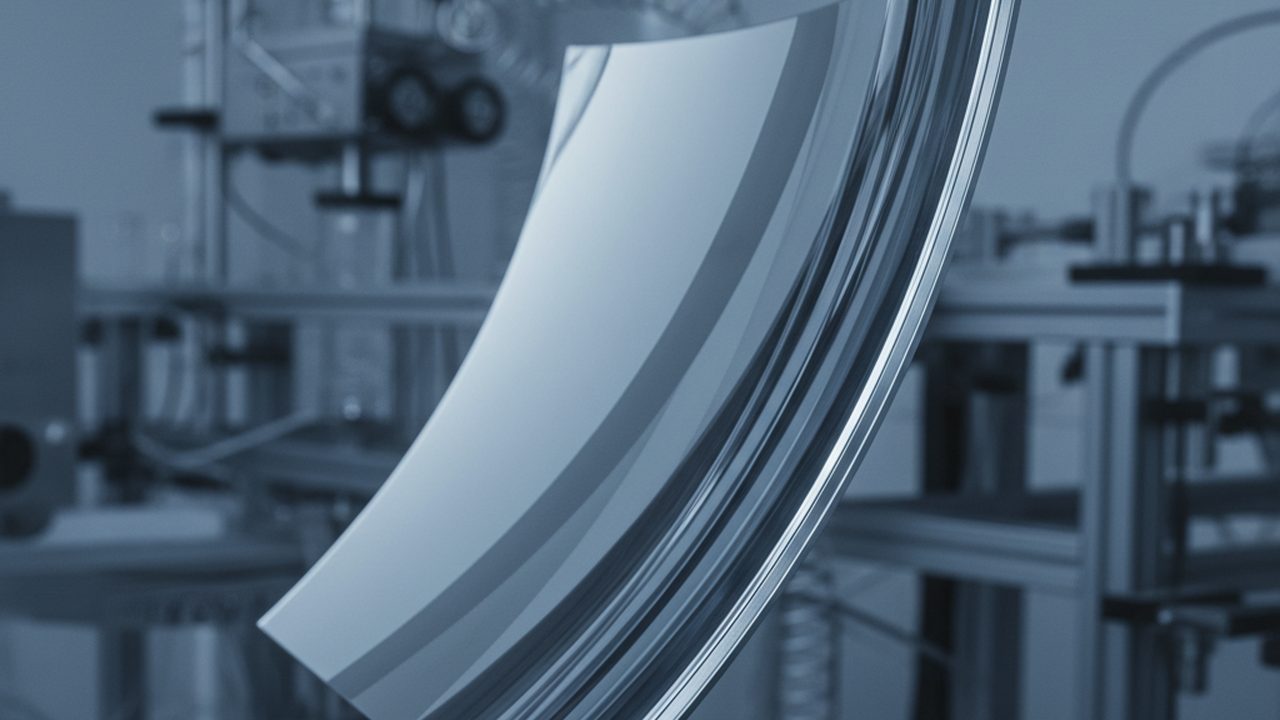
A high-angle photograph of the internal chamber of an EUV scanner showing circular reflective surfaces and complex vacuum piping.
Computing

Extreme Ultraviolet Lithography: The Hardest Machine Ever Commercialised

Modern semiconductor manufacturing relies on extreme ultraviolet lithography to etch features onto silicon at the scale of a few nanometres. This process requires a complex chain of high-energy plasma generation and precision reflective optics.

Jun 27, 2026 · 12 min · 2,803 words

A macro photograph of high-density fibre optic cables glowing dimly in a dark server rack environment.
Computing

Post-Quantum Cryptography: Migrating Before the Deadline

Existing encryption relies on mathematical problems that quantum computers may soon solve. Security agencies are now beginning a decade-long transition to lattice-based algorithms designed to withstand future decryption capabilities.

Jun 9, 2026 · 13 min · 2,883 words

A macro photograph showing the internal circuitry of a modern smartphone processor, highlighting the silicon die and surrounding surface-mount components.
Computing

Running Models on Devices: The Edge Inference Stack

Large language models are migrating from massive server farms to handheld devices. This transition depends on aggressive data compression and hardware optimisations that balance processing power against strict thermal and battery constraints.

May 16, 2026 · 13 min · 2,948 words